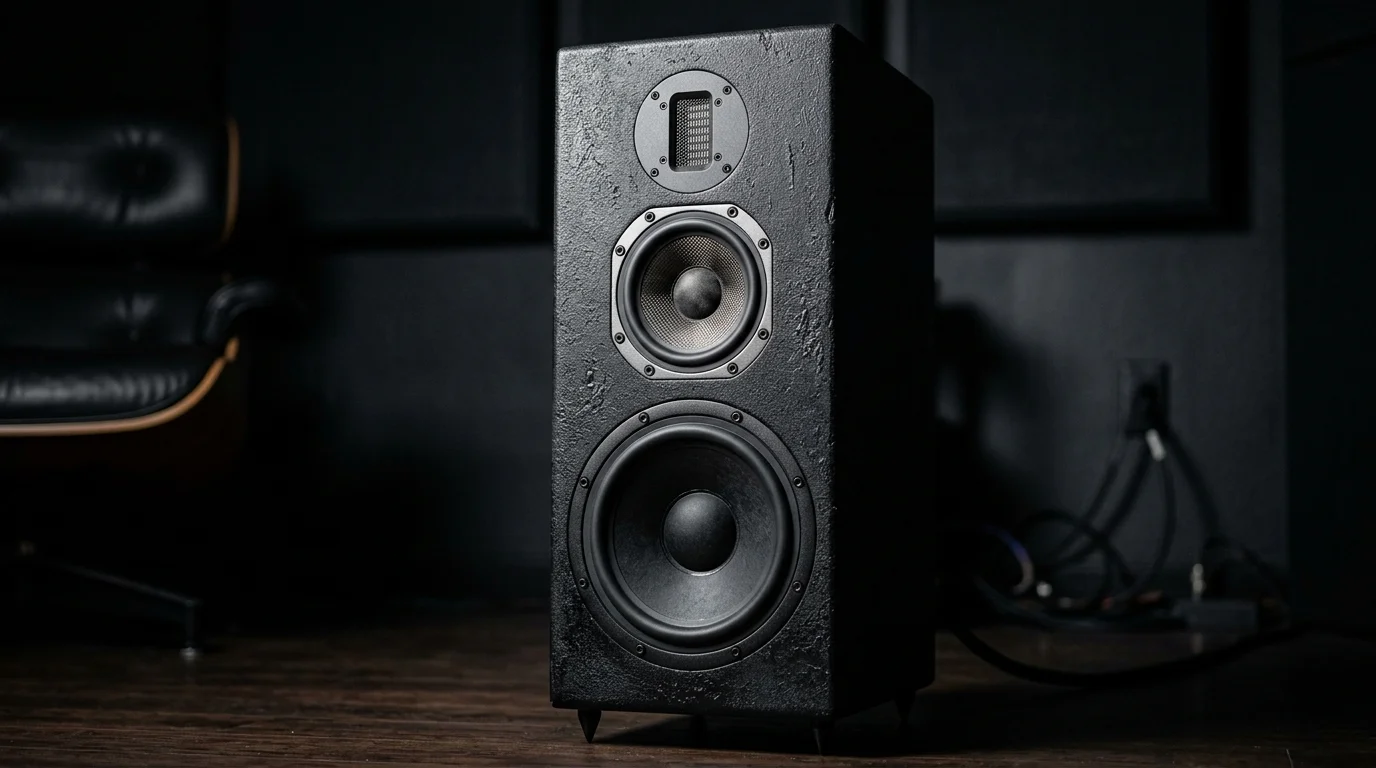
Built-to-order speakers in powered and passive configurations. Designed specifically for your space, fabricated in our Arizona workshop, calibrated in your home. Hear them before you buy.
Mass-market speakers are designed for average rooms, average listeners, and average systems. They're passive boxes with fixed crossovers, optimized for lab measurements in anechoic chambers — not your actual living space.
When you buy off-the-shelf speakers, you're limited by fixed cabinet dimensions, passive design that depends on external amplifier quality, no ability to compensate for your room's specific acoustic problems, and generic tuning that can't adapt to your preferences.
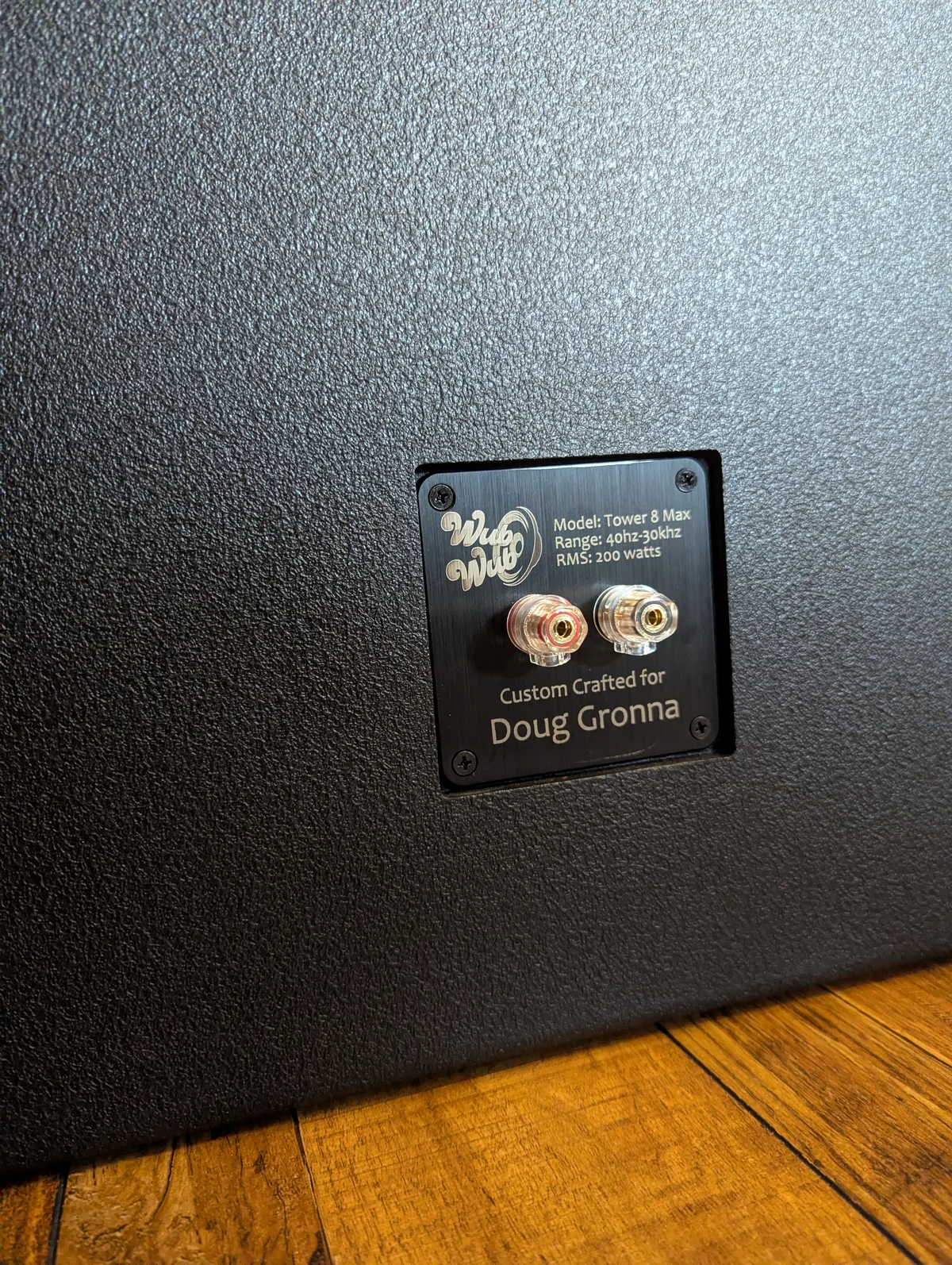
Our design philosophy is straightforward: speakers should reproduce recorded content with complete accuracy and neutrality. You shouldn't hear the speakers — only the sounds they reproduce.
Every speaker begins with understanding your installation: room dimensions, acoustic challenges, aesthetic requirements, system context, and listening preferences. From that point forward, you follow the entire build through our online portfolio system — real-time photo updates at every stage so you see exactly what's being built for you. We design speakers in CAD software, simulating acoustic performance before cutting any wood. Cabinet geometry is optimized for your room's characteristics.
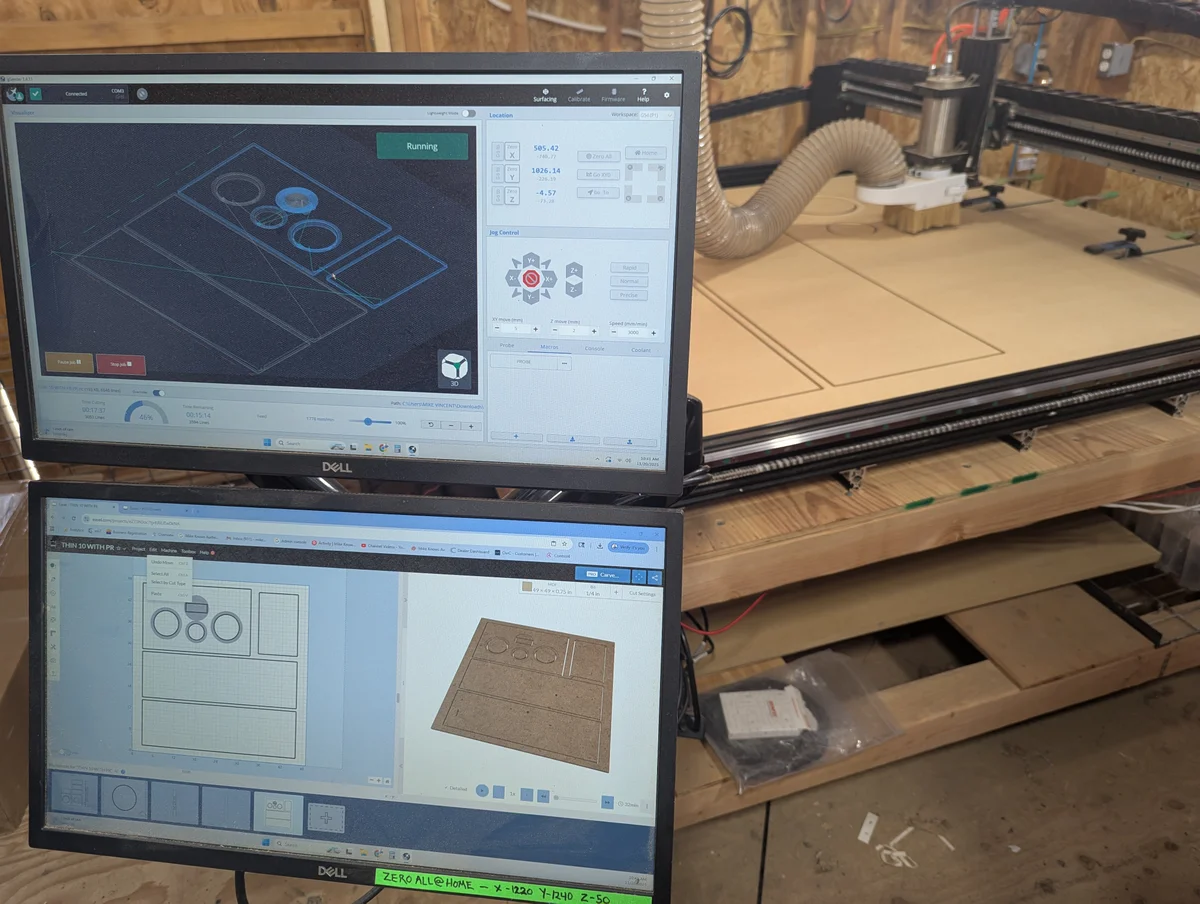
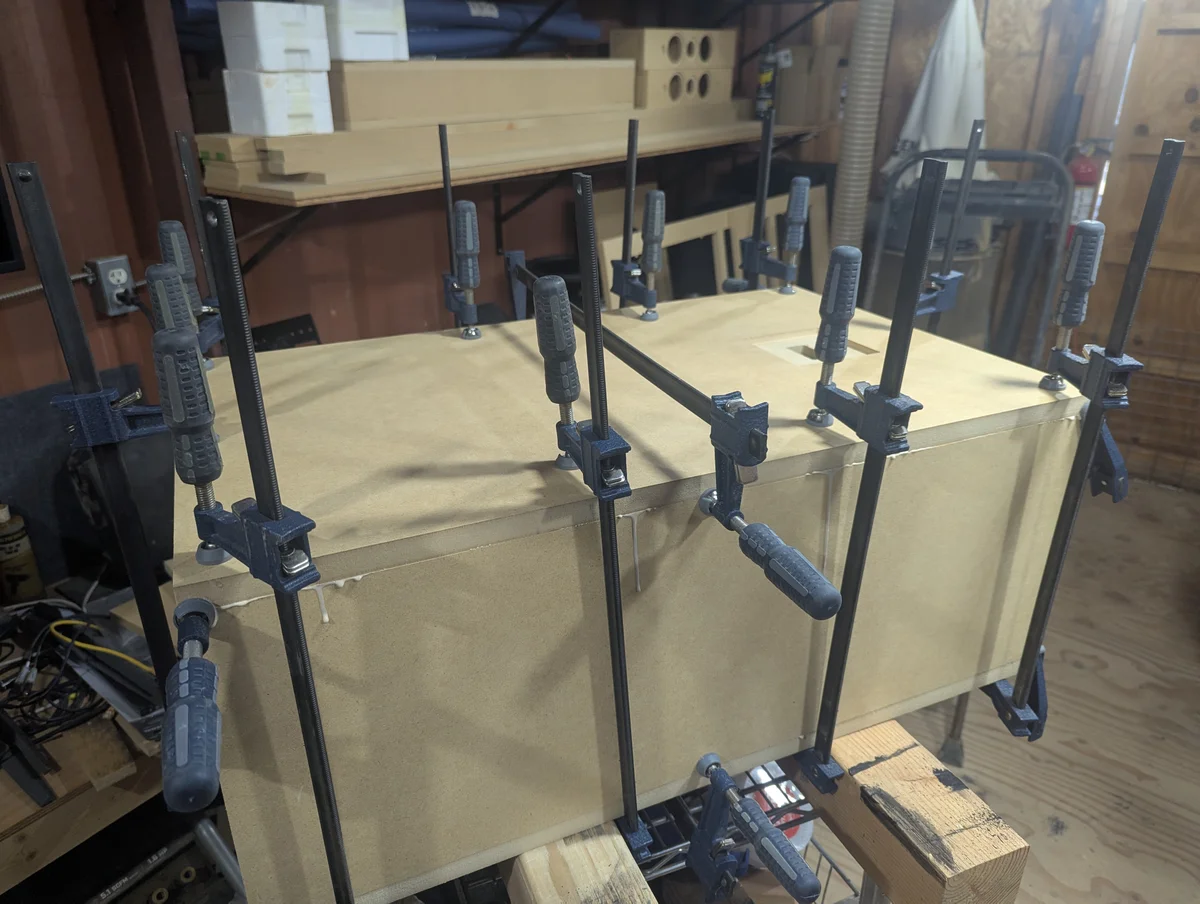
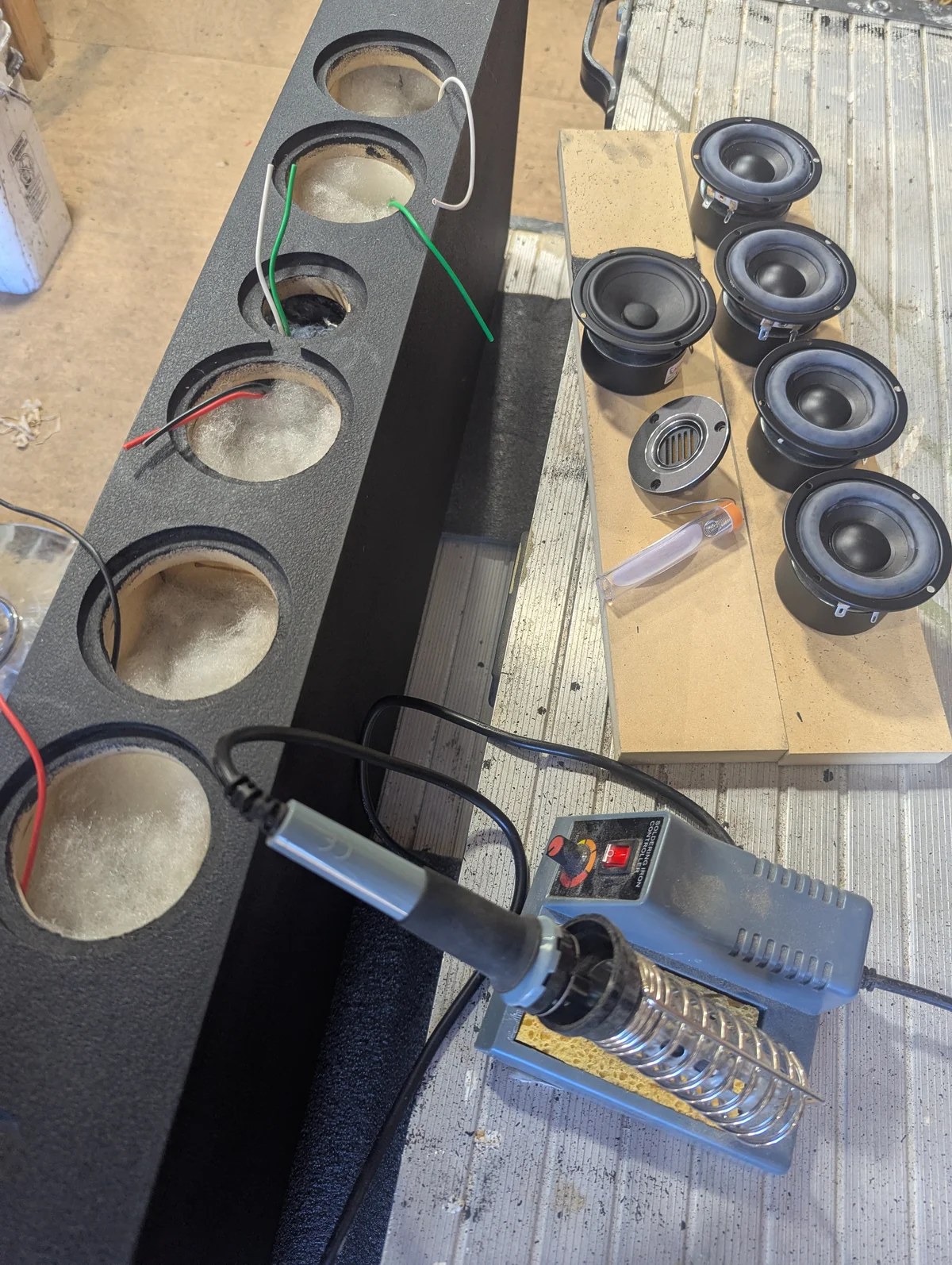
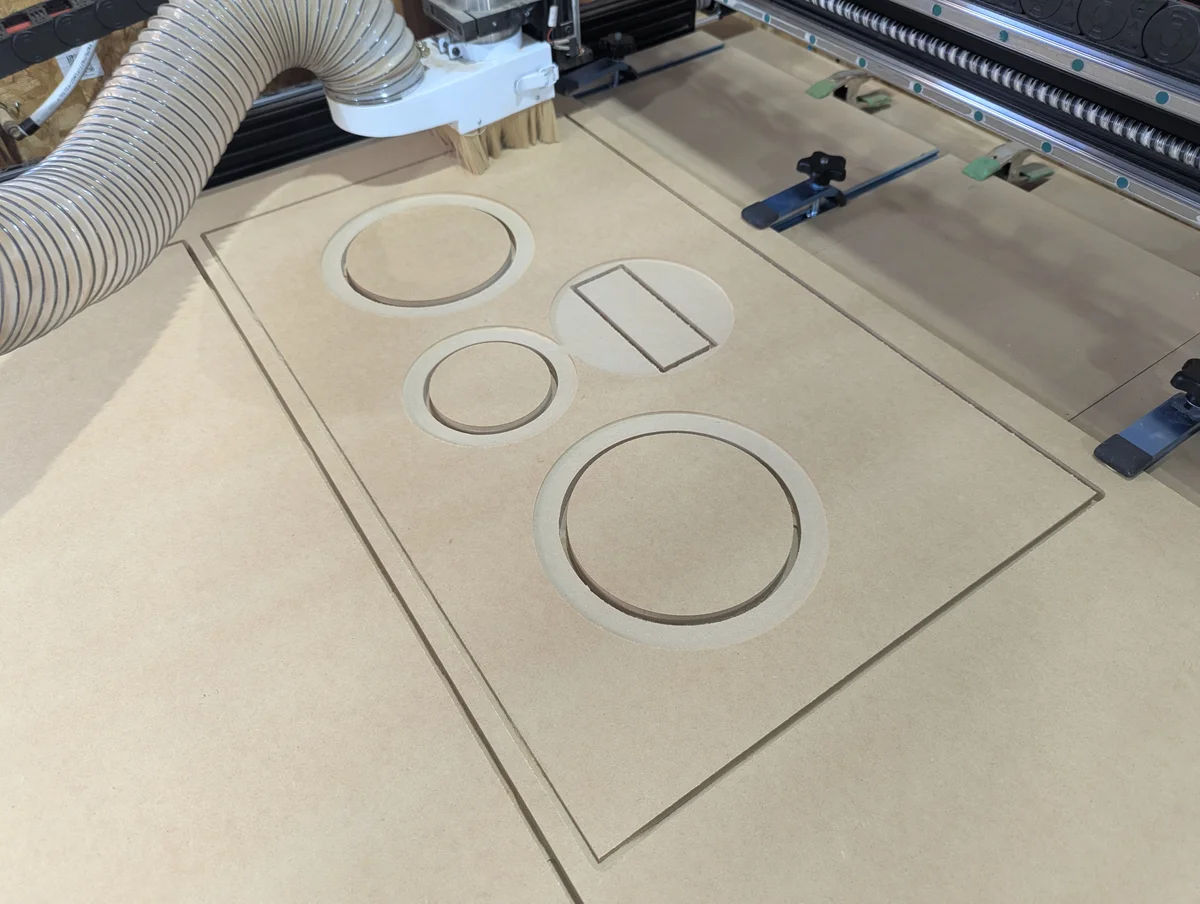
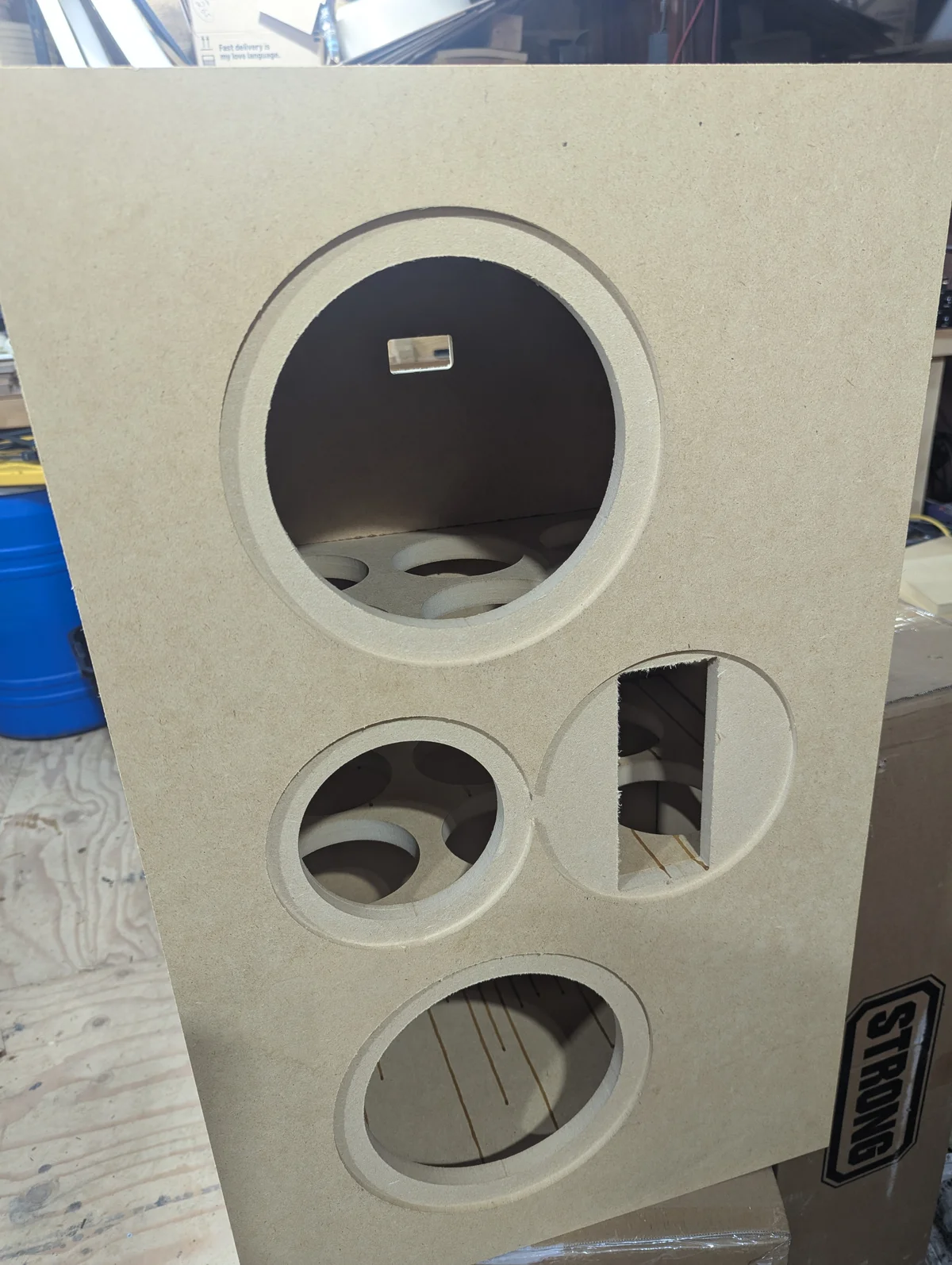
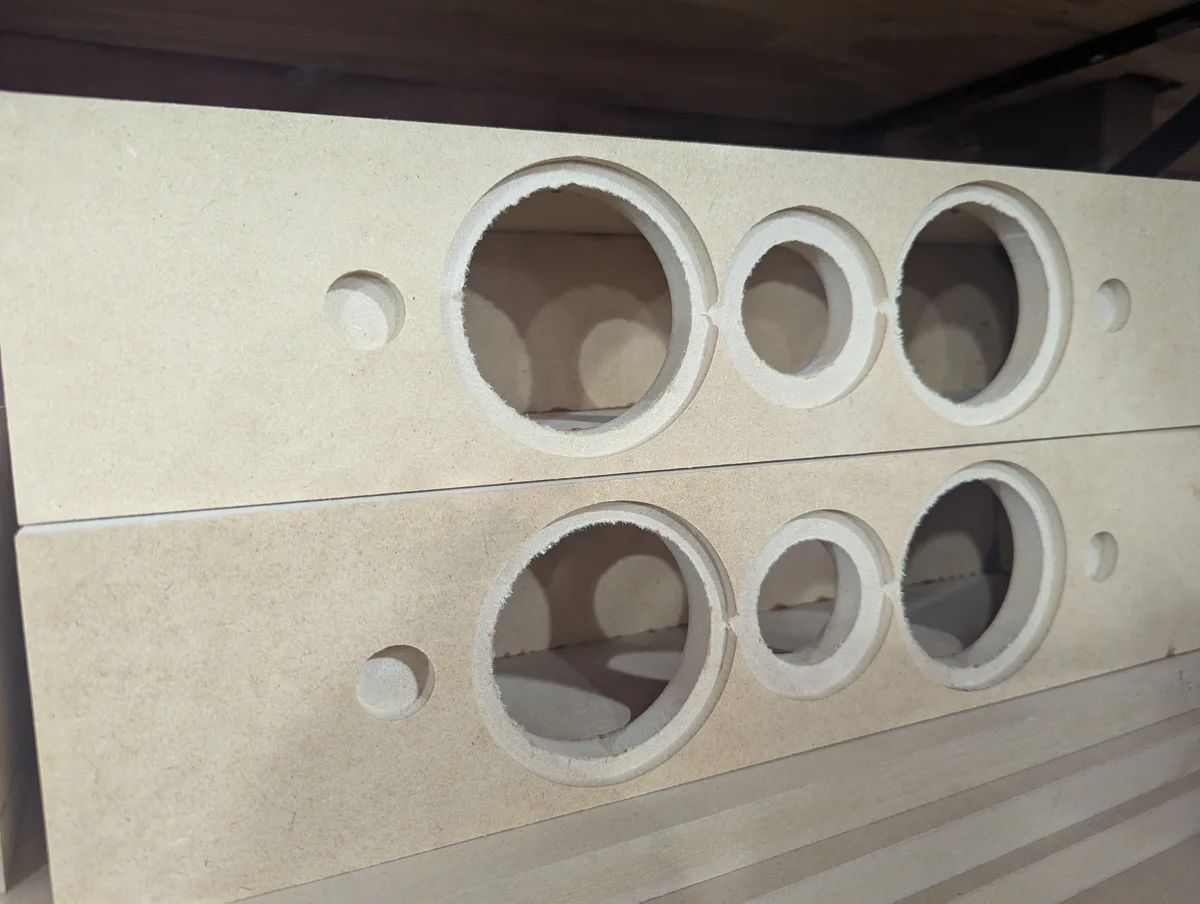
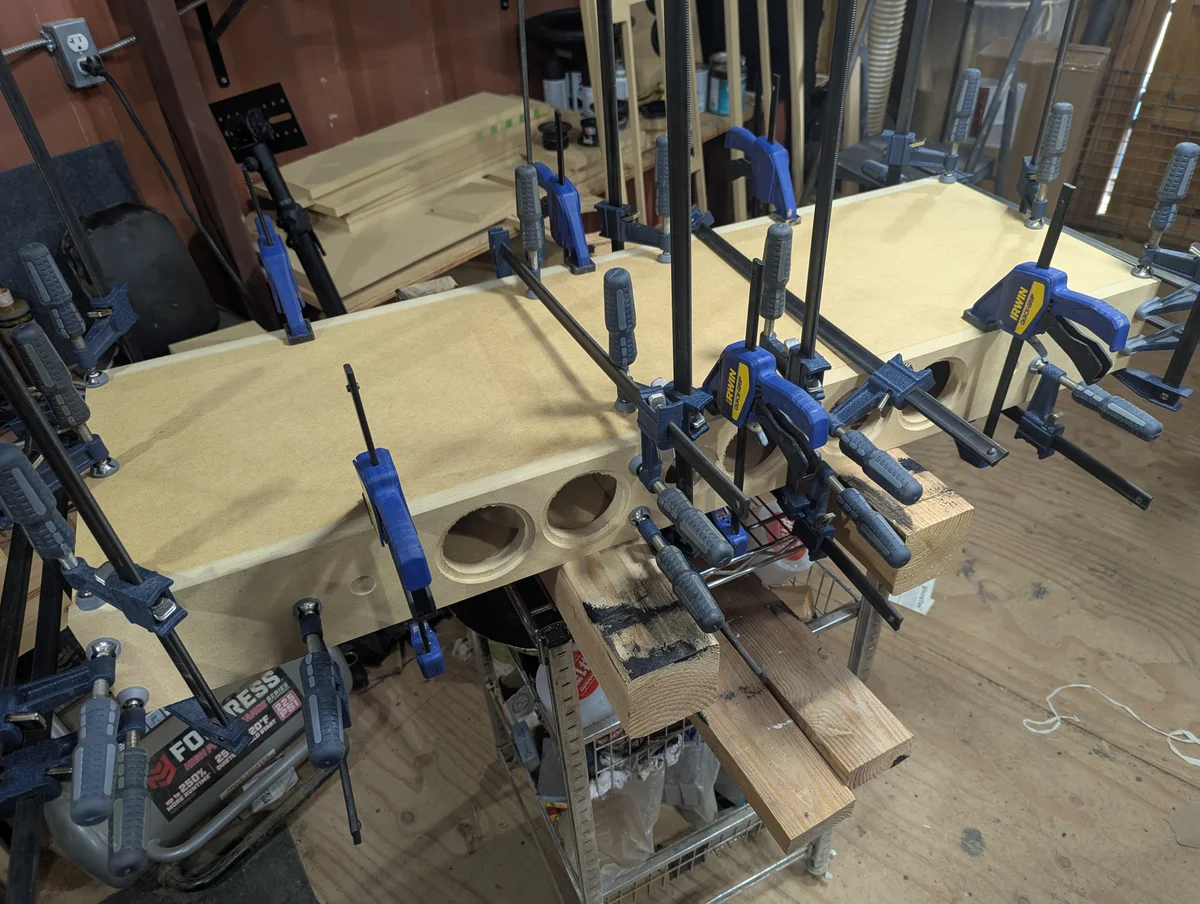
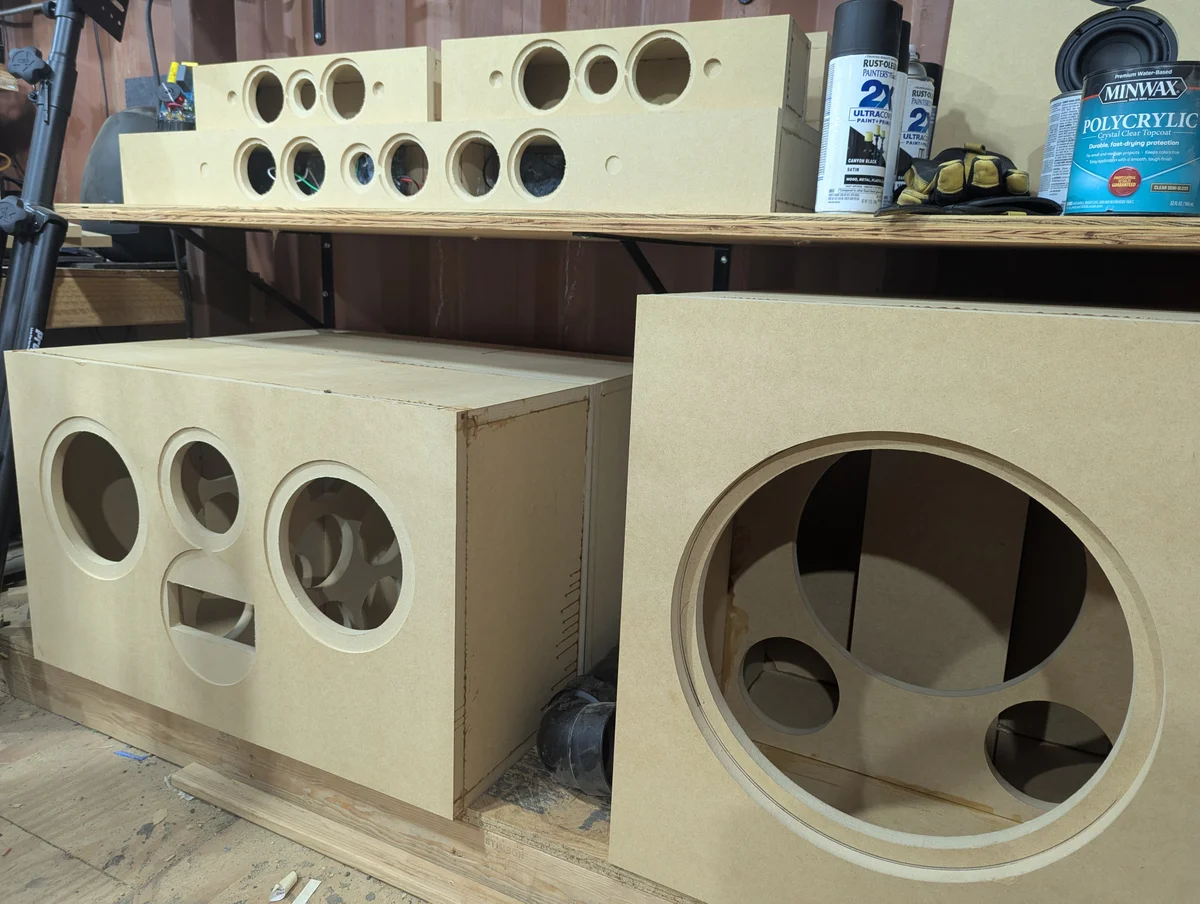
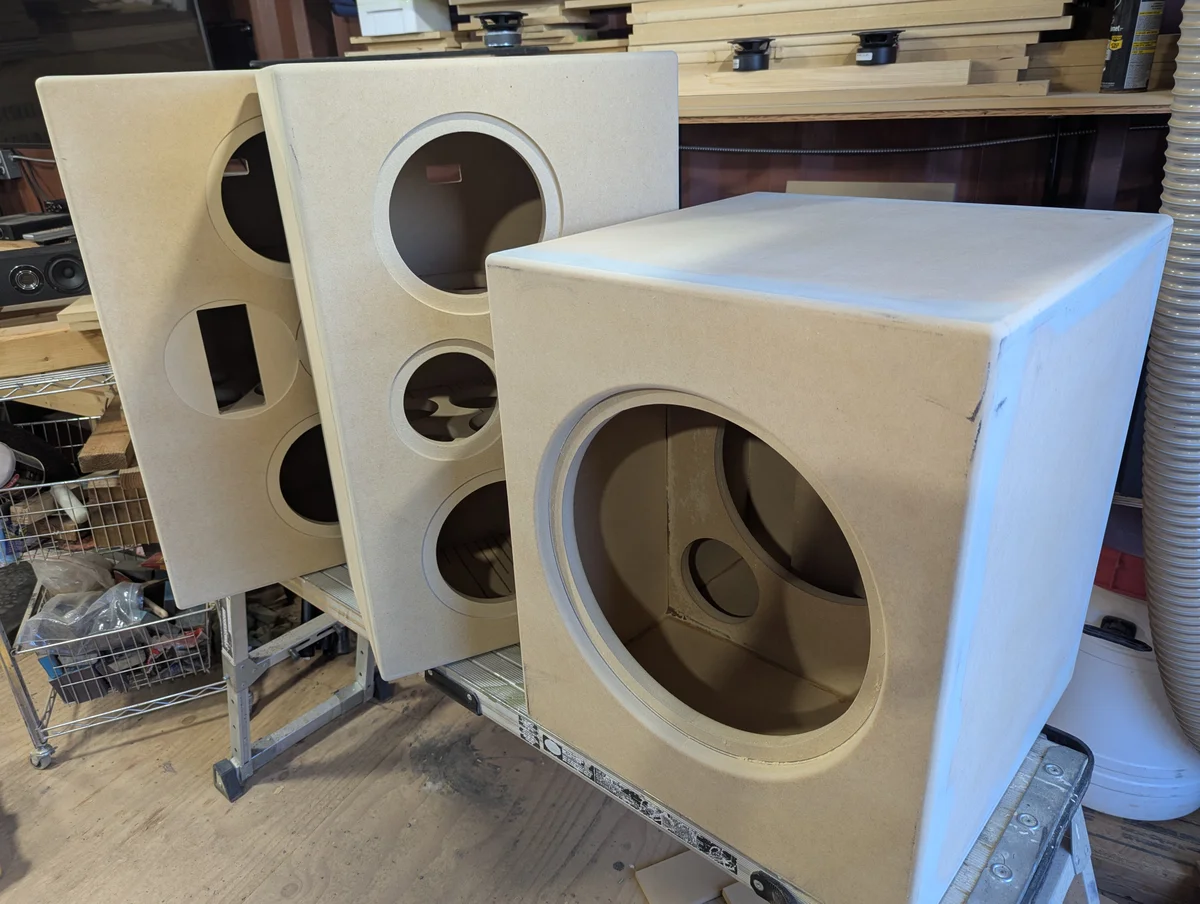
Cabinets are CNC-machined from MDF or Baltic birch plywood for precision fit and structural rigidity. Internal bracing eliminates panel resonance. Acoustic damping materials line the interior using combinations of acoustic foam, recycled denim, and non-woven composites to absorb internal standing waves without over-damping.
WubWub Audio powered speakers include proprietary amplifiers and DSP designed in-house. Where traditional passive speakers depend entirely on external amplification with speaker cables becoming part of the signal path, active speakers bypass all of this — amplifiers connect directly to drivers with no passive crossovers in between. We build both powered and passive configurations depending on your system design and budget.
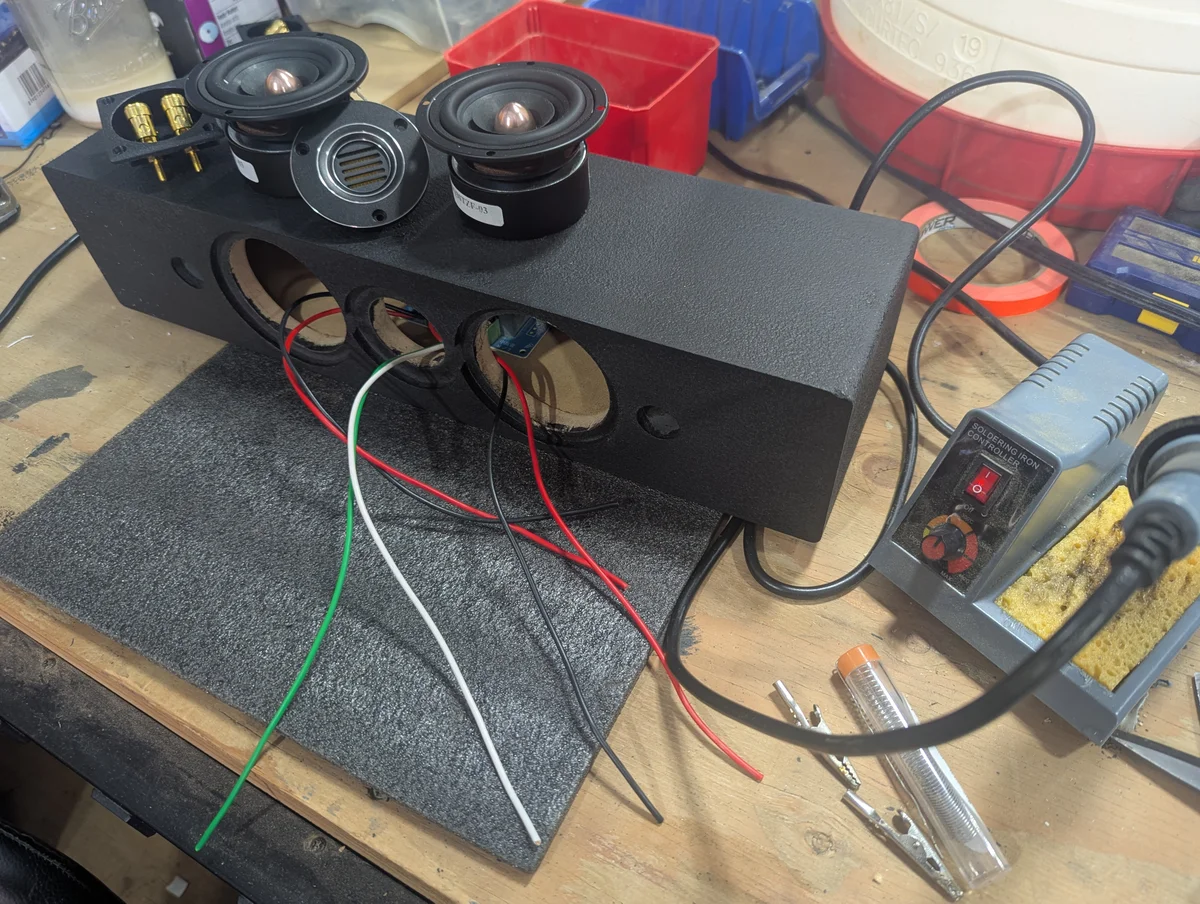
Every WubWub Audio system starts as flat panels and raw drivers. Here's one complete project — towers, center channel, bookshelf surrounds, and subwoofer — from first cut to first movie.
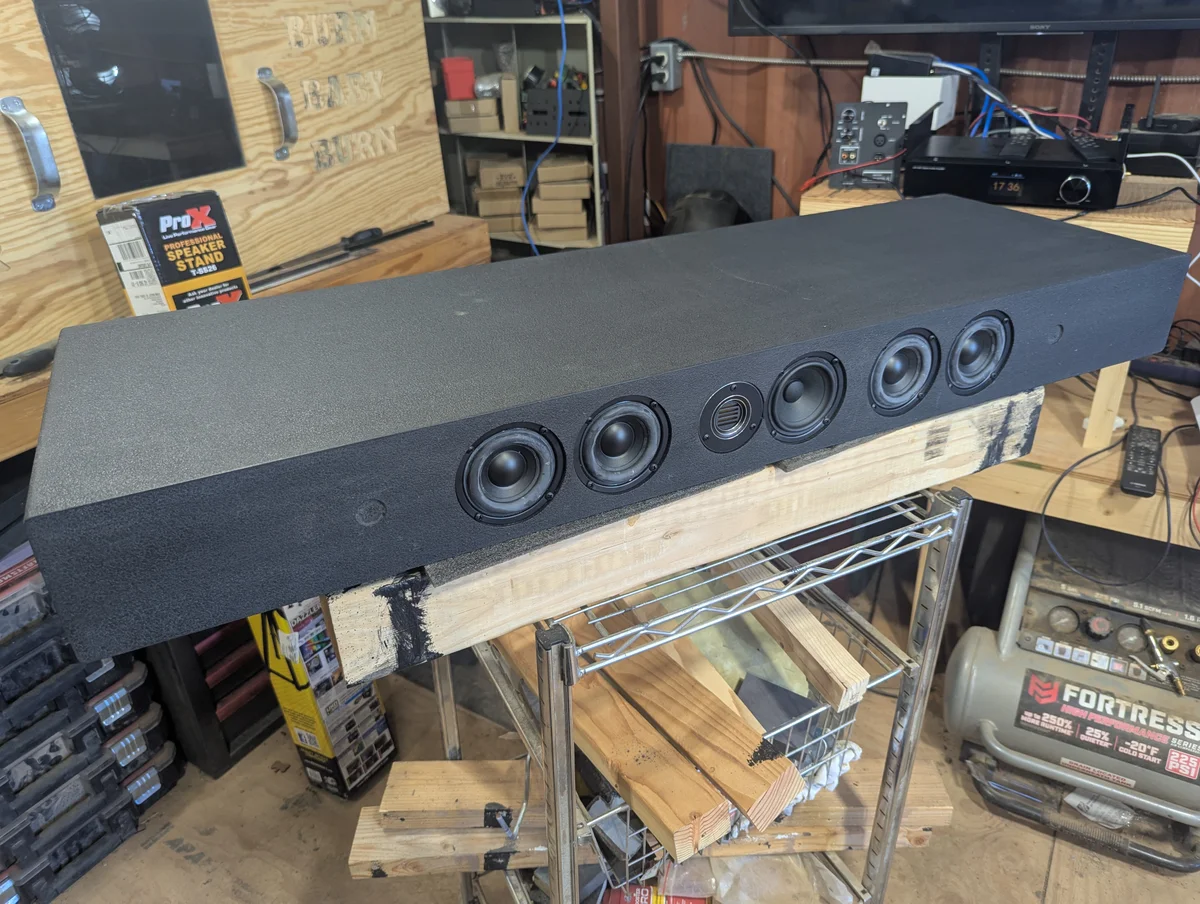
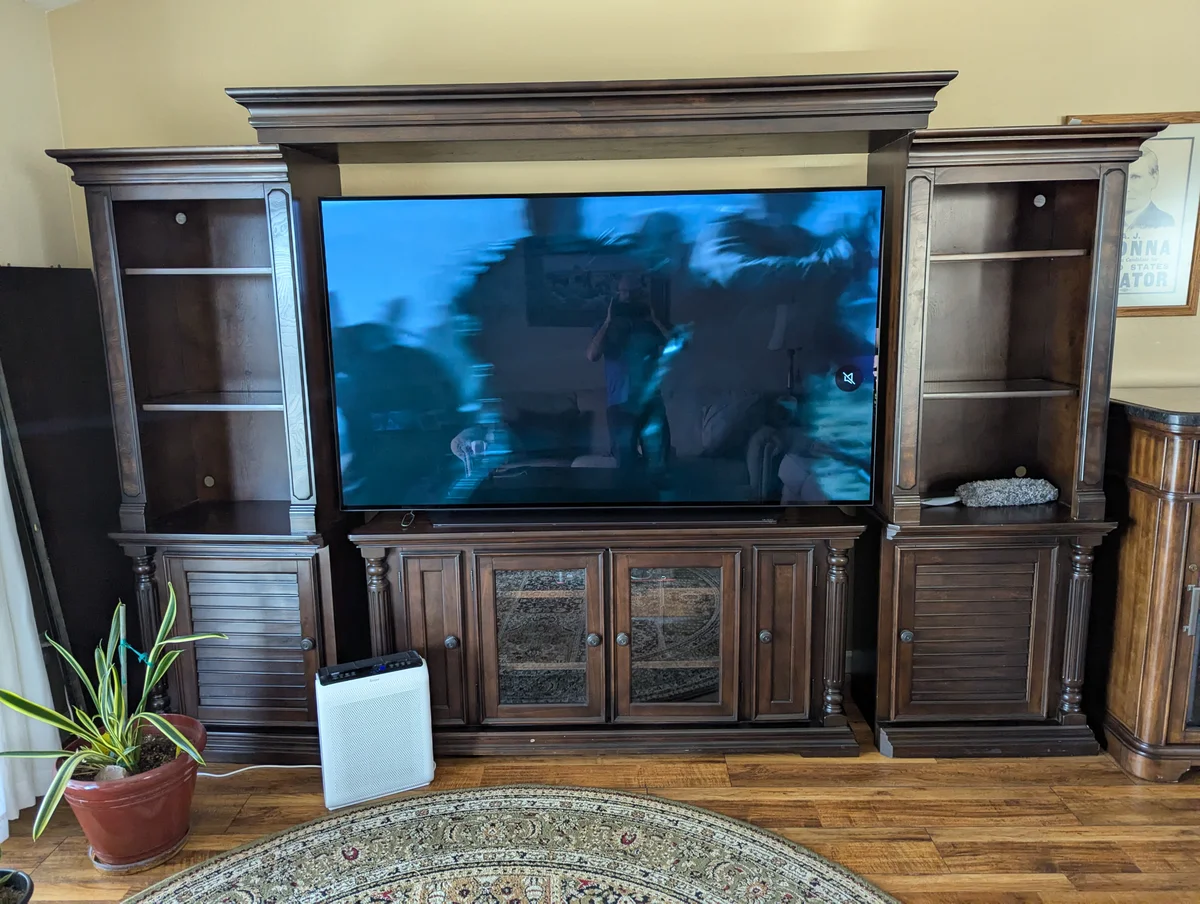
Before: Entertainment center without speakers
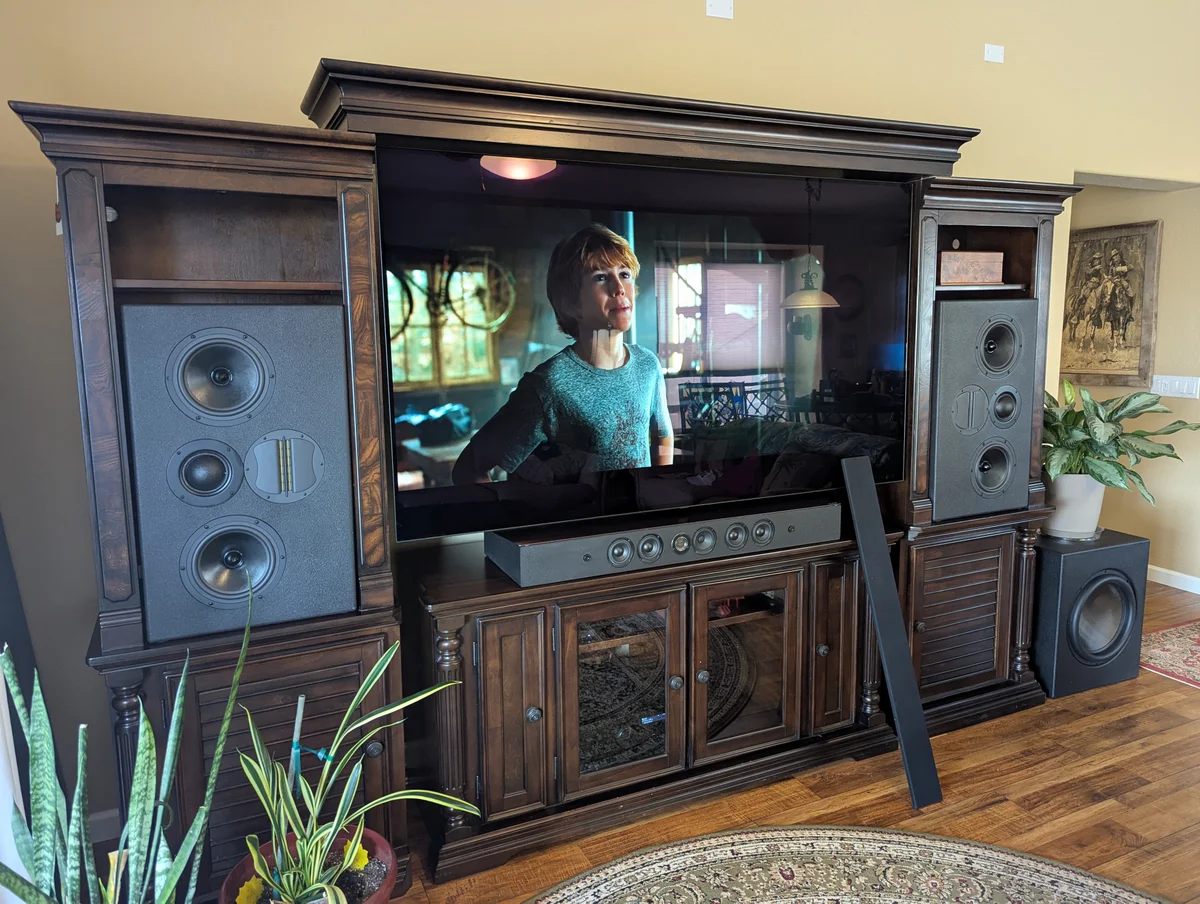
After: Custom WubWub Audio towers, center, and sub — playing a movie
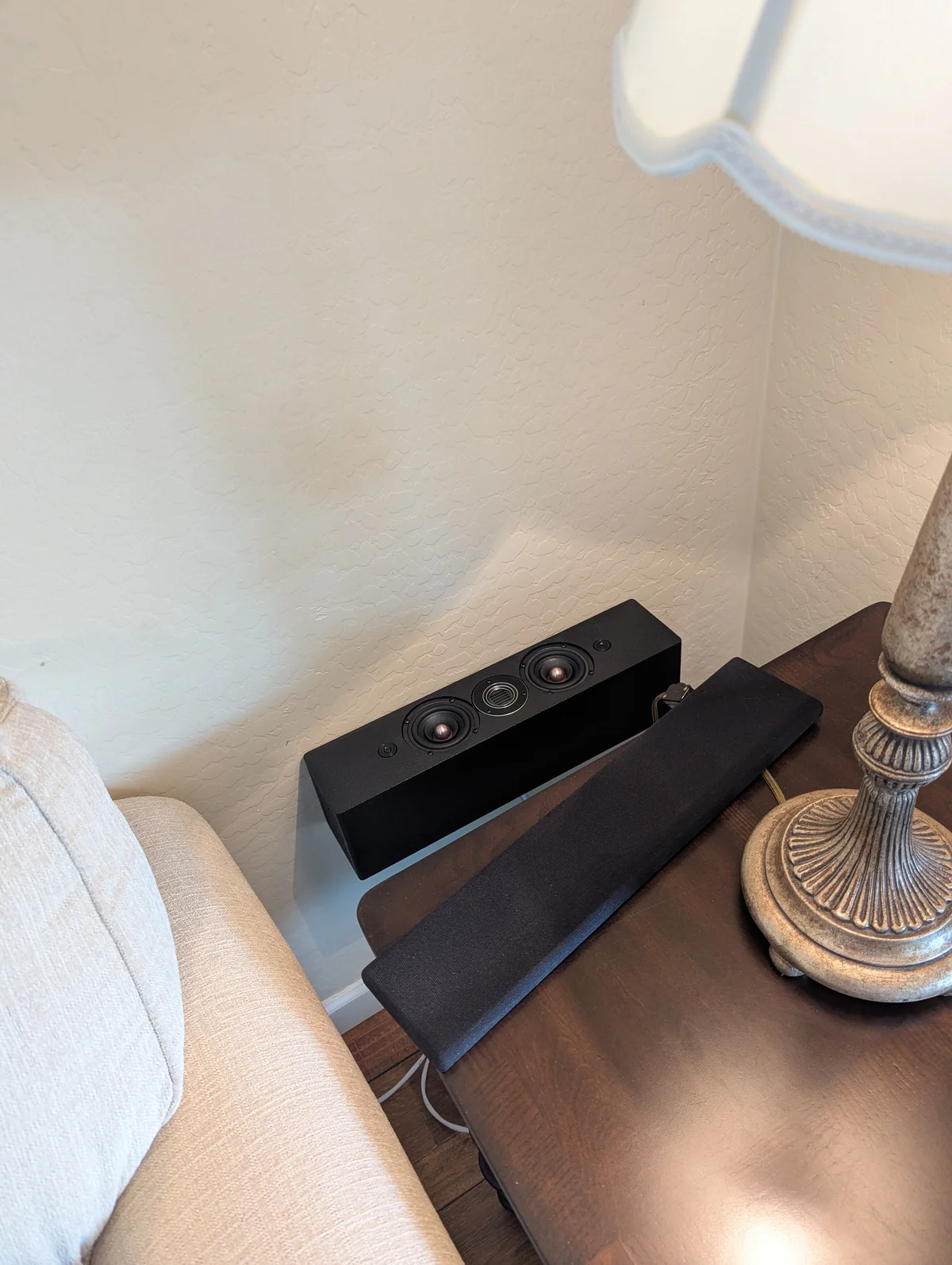
Surround speaker — compact enough for a side table, powerful enough for the room
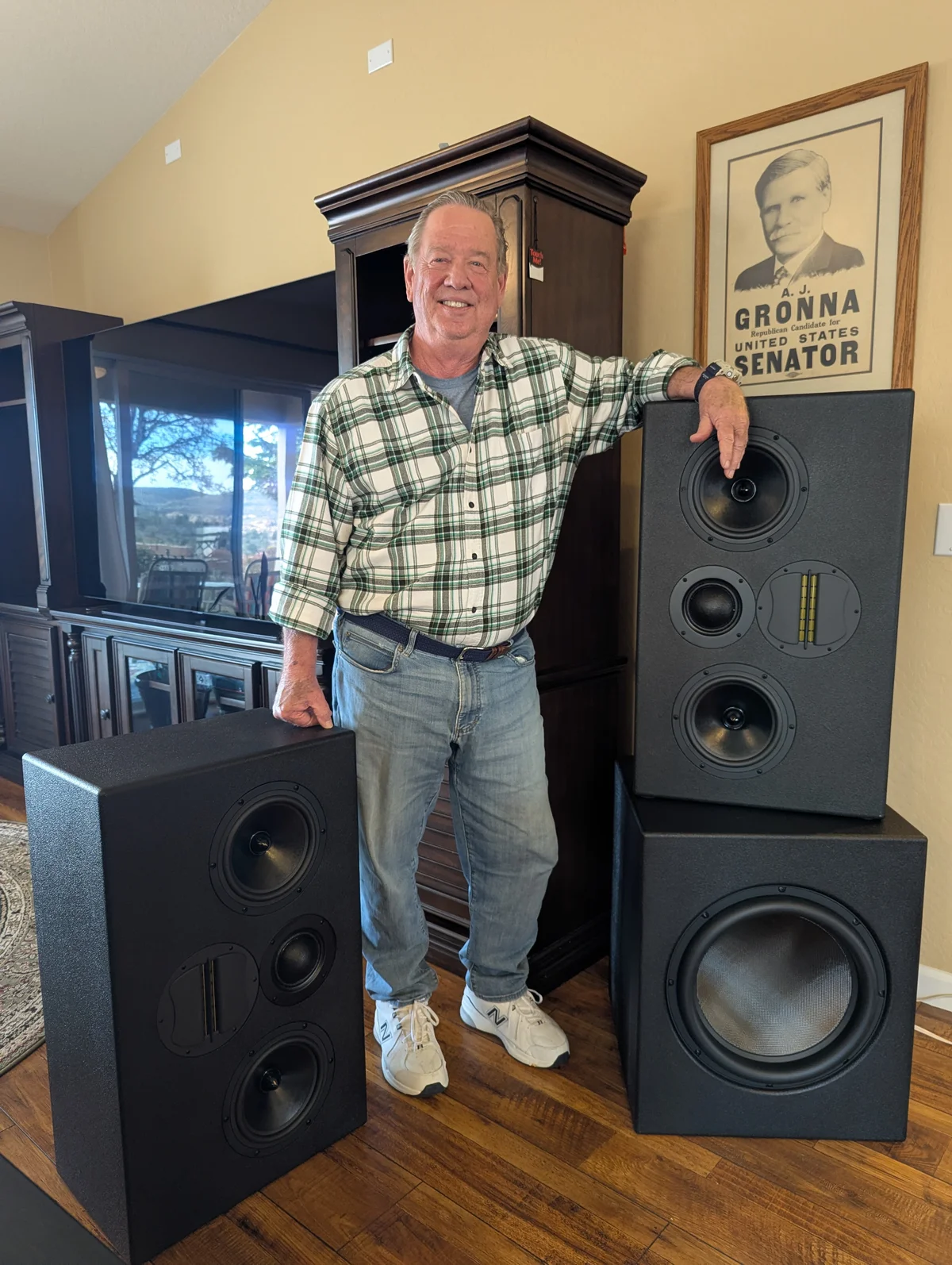
The complete set — tower, bookshelf, and subwoofer — with their new owner
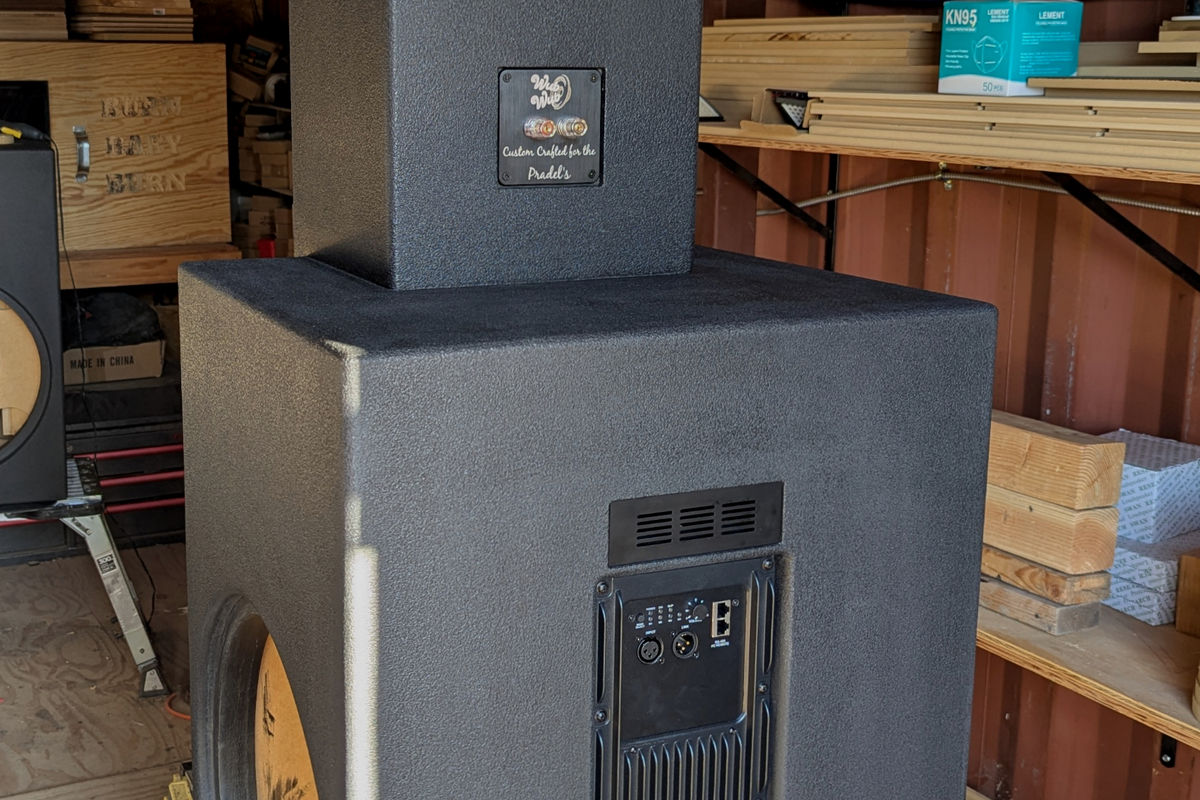
Every WubWub Audio speaker ships with a birth certificate — a document recording its model, specifications, build date, and the name of the client it was custom crafted for. This isn't mass production. This is one builder making one system for one home. And with the Ultimate WubGrade Program, your speakers never lose their value — 100% trade-in credit toward an upgrade within the first 5 years.
Full-range floor-standing towers for front left/right channels. Standard three-way design with 8-inch woofer, 5-inch midrange, 1-inch tweeter. Available in powered (tri-amped with dedicated DSP per driver) or passive configurations. Integrated subwoofer option available with 12, 15, or 18-inch sections.
Standard (passive, receiver-powered): $1,500–$3,500/pair
Premium (tri-amped active with DSP): $4,500–$7,500/pair
Matching tonal balance to tower speakers for seamless front soundstage. Horizontal or vertical configurations available. Same driver complement as towers, with powered or passive options.
Standard (passive): $1,000–$2,000
Premium (active with integrated amplification): $2,000–$4,000
Sealed designs with 12, 15, or 18-inch drivers. Available powered (300W to 1,500W with DSP room correction) or passive, depending on your system design.
Standard (passive): $1,000–$2,500
Premium (powered with DSP): $2,500–$5,000
Compact two-way designs for surround channels or smaller rooms. Same build quality as towers in a smaller package. Available powered or passive.
Standard (passive): $1,500–$2,500/pair
Premium (powered): $2,500–$3,500/pair
Bipole, dipole, or direct-radiating designs based on your room and preference. Multi-firing configurations available for diffuse surround fields.
Custom pricing
Unique configurations for specific architectural situations. Built-in speakers, column designs, under-seat subwoofers — if it involves audio, we can build it.
Custom pricing
Custom speakers represent a significant investment. You shouldn't commit based on showroom demonstrations or manufacturer specifications.
We bring speakers to your home for in-room demonstration. You'll hear how they actually sound in your space with your acoustic challenges and your source material.
Site surveys are $250, fully credited to your project when you move forward. This ensures we're working with serious clients while giving you genuine evaluation without sales pressure.
We build WubWub Audio speakers in two tiers so you can match the budget to the room. Same craftsmanship in both — the difference is the electronics.
Standard tier — passive speakers powered by your receiver:
Premium tier — active speakers with integrated amplification and per-driver DSP:
Other: Rear Surrounds $500–$2,500 (passive to active). In-Ceiling $250 (professional 8" directional, passive).
Popular setups include premium front stage (L/C/R) with standard surrounds, all-standard with powered subs, fully passive with receiver amplification, or a mix-and-match approach based on your room and budget.
Real hardwood veneers in various species, high-quality paint matched to any color, genuine leather wrapping, and fabric-wrapped panels. Custom dimensions are available to fit architectural details. Grills are acoustically transparent and removable — round or square, painted or fabric-wrapped.
Active speakers have amplifiers built in. Each driver (woofer, midrange, tweeter) gets its own dedicated amplifier channel and DSP control. This eliminates passive crossover losses, removes cable degradation, and allows individual correction for each driver in your specific room. Passive speakers rely entirely on external amplification and fixed crossover networks that can't adapt to your space.
Standard room correction applies generic EQ to entire speakers through the receiver. Our powered speakers correct problems at each driver before they compound. Example: if your room has a 63Hz bass mode causing a 9dB peak, receiver EQ cuts 63Hz on all speakers with a broad filter that affects everything. We can notch just the subwoofer with a tight, surgical filter, eliminating the mode without thinning out midrange clarity. That precision isn't possible with passive speakers and receiver-based correction.
Our passive towers start at $1,500 and compete with boutique brands at similar prices — but built specifically for your room rather than mass-produced. Our powered towers ($3,000–$5,000+) include integrated amplification, DSP, professional installation, and room-specific calibration. Compare that to $5,000–$15,000+ passive towers that still need $2,000–$5,000 in amplification, $1,000+ in cables, $1,500 in room correction hardware, plus installation labor. Our $8,000 powered systems often outperform $20,000+ passive setups in real-world rooms.
Three key differences. First, cabinet geometry is designed specifically for your room's acoustics and your aesthetic preferences — not generic enclosures optimized for mass production and shipping. Second, our powered models include built-in amplification with digital signal processing for per-driver control of crossover, EQ, delay, and level that no passive speaker can match. Third, every speaker is tuned in your actual room after installation rather than in an anechoic chamber at a factory.
Yes. For powered speakers, your receiver acts only as processor and switcher since amplification is built in. This often lets you reallocate budget away from receiver amplification toward better video processing or additional channels. For passive speakers, your receiver powers them like any traditional system.
Typically 6–12 weeks or more from design approval to delivery. This includes CAD design, CNC cabinet fabrication, driver integration, amplifier assembly (for powered models), and bench testing. Installation and room calibration add 1–3 days depending on system complexity.
Schedule a consultation to discuss your space and hear custom speakers in your home.
Page last reviewed: May 2026