Understanding speaker configurations, room acoustics, and why every installation is different. Professional home theater engineering, custom loudspeaker design and installation in Sedona, Scottsdale, Paradise Valley and Prescott.
Home theater speaker configurations are expressed in numbers like 5.1, 7.1, or 7.1.4. The first number is main speakers at ear level, the second is subwoofers, and the third (if present) is height/Atmos speakers.
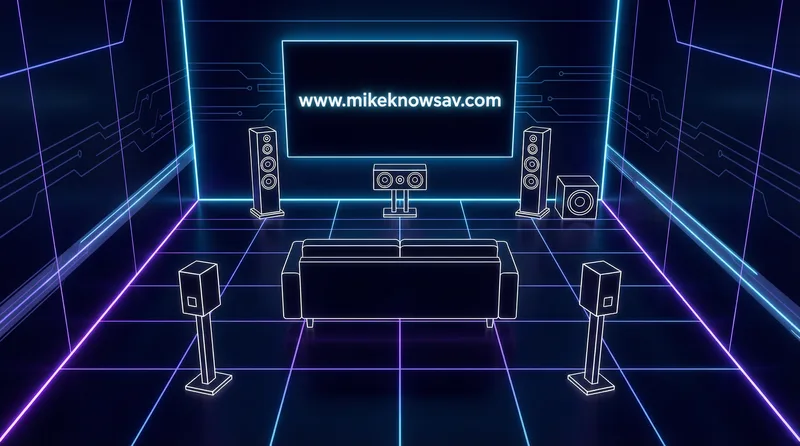
Three front speakers (Left, Center, Right), two surrounds, one subwoofer. The foundation of surround sound. Works well for rooms up to about 400 sq ft.
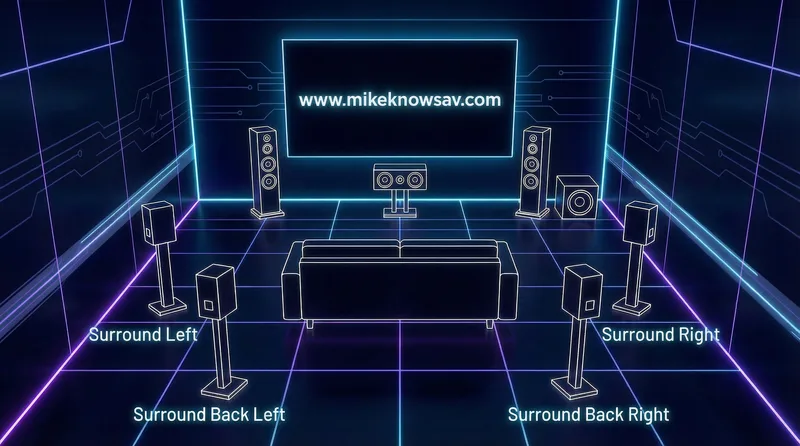
Adds rear surround speakers for more enveloping sound. Better surround panning effects. Recommended for rooms 300+ sq ft with seating away from back wall.
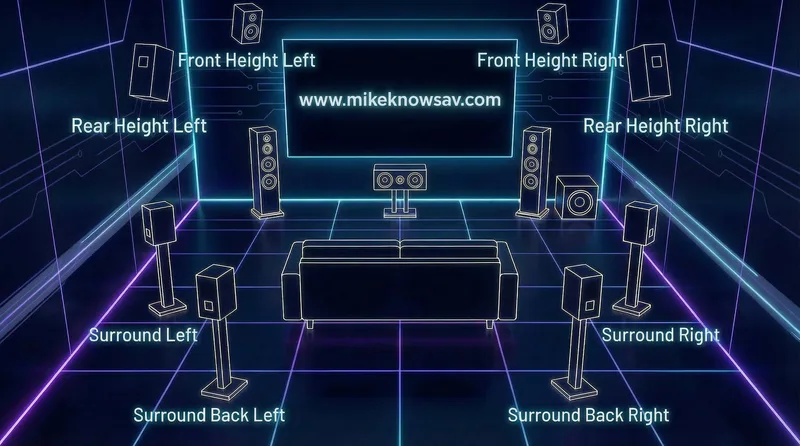
Adds four height speakers for overhead sound. True three-dimensional audio. Requires ceiling speakers or upfiring modules. The premium home theater experience.
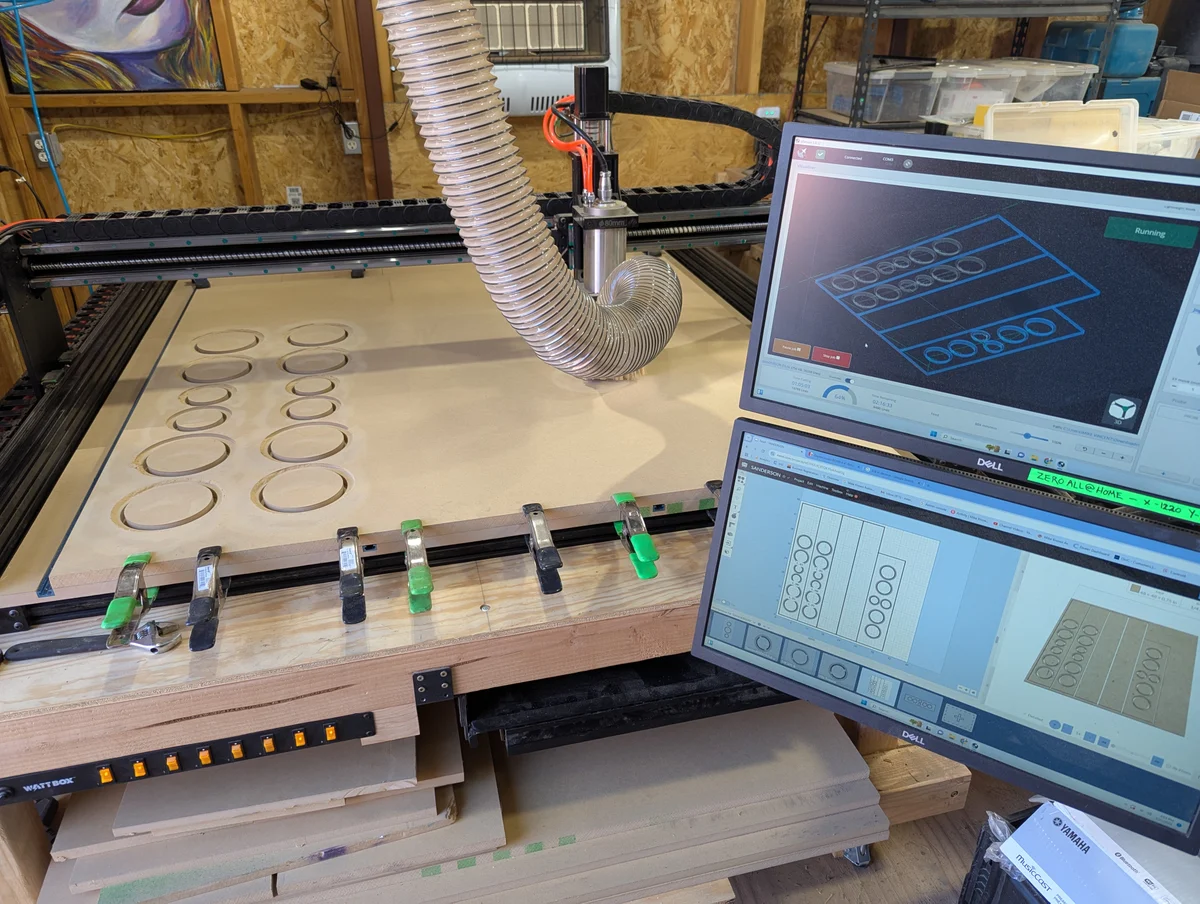
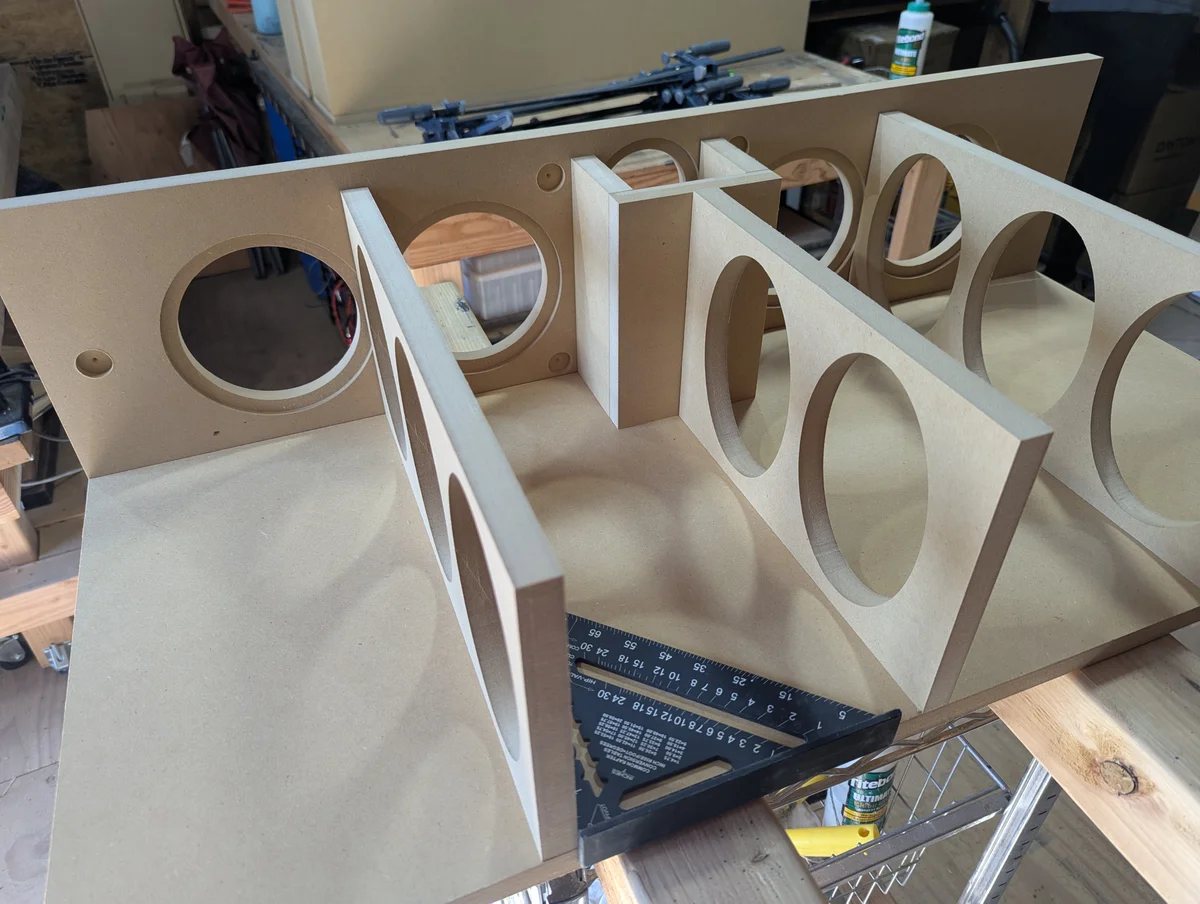
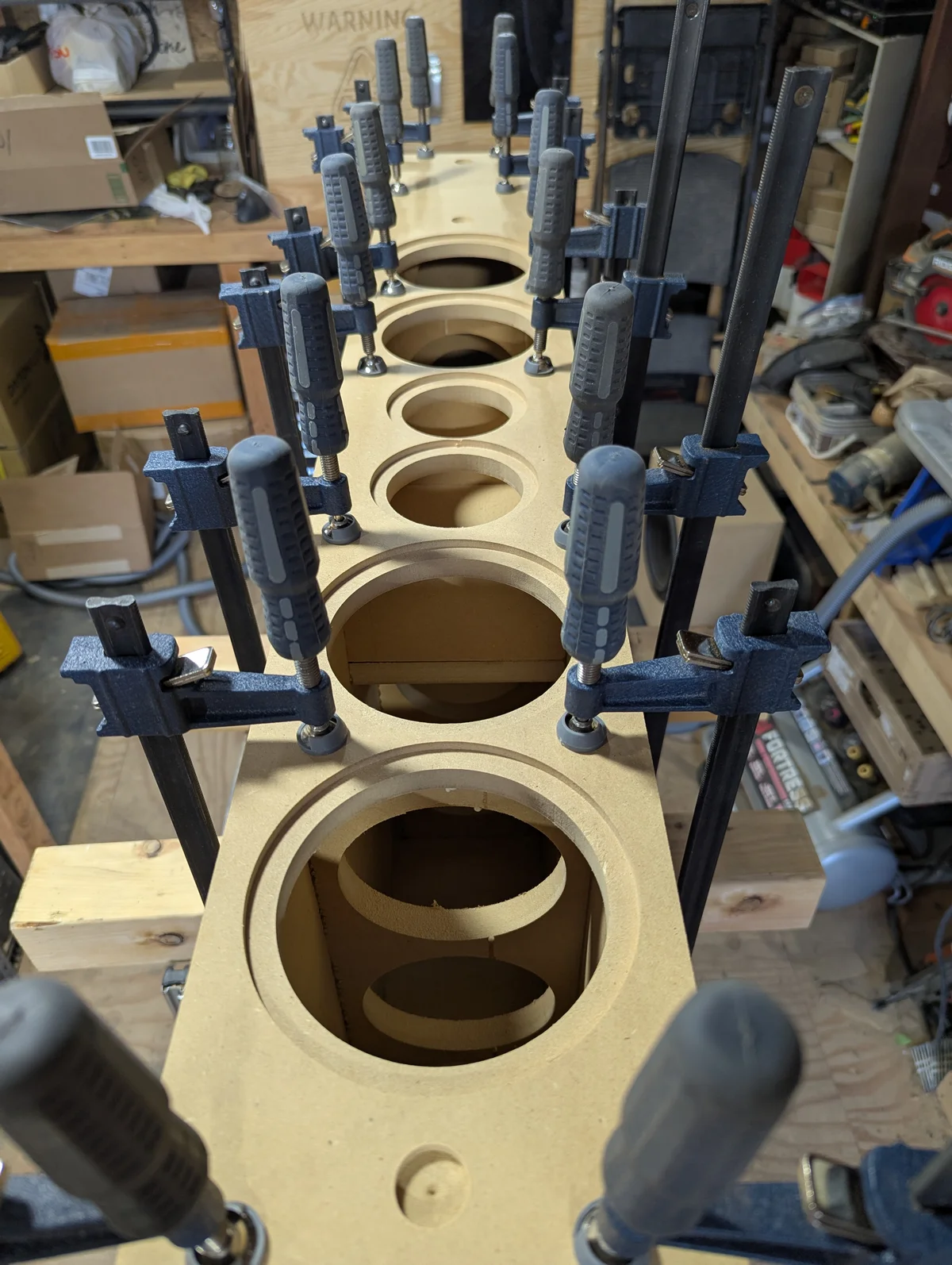
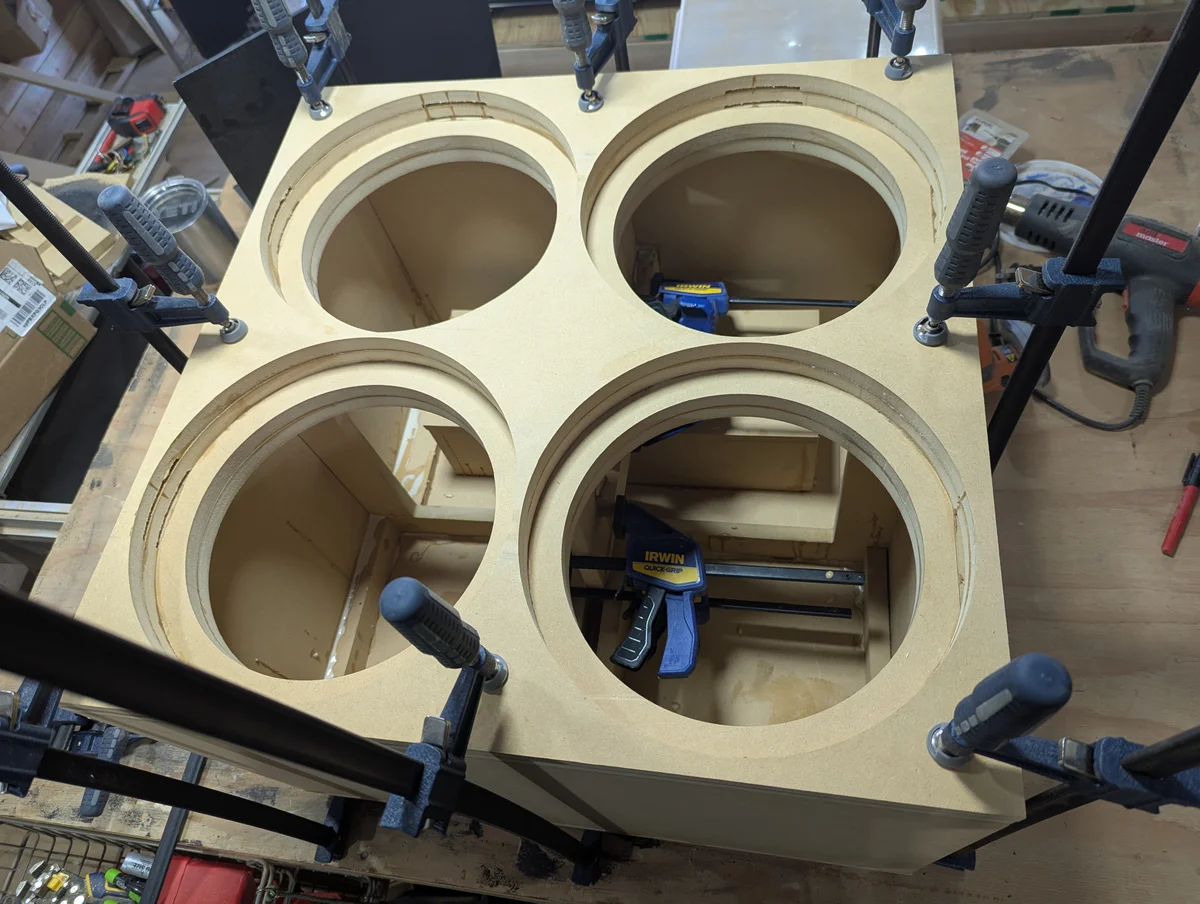
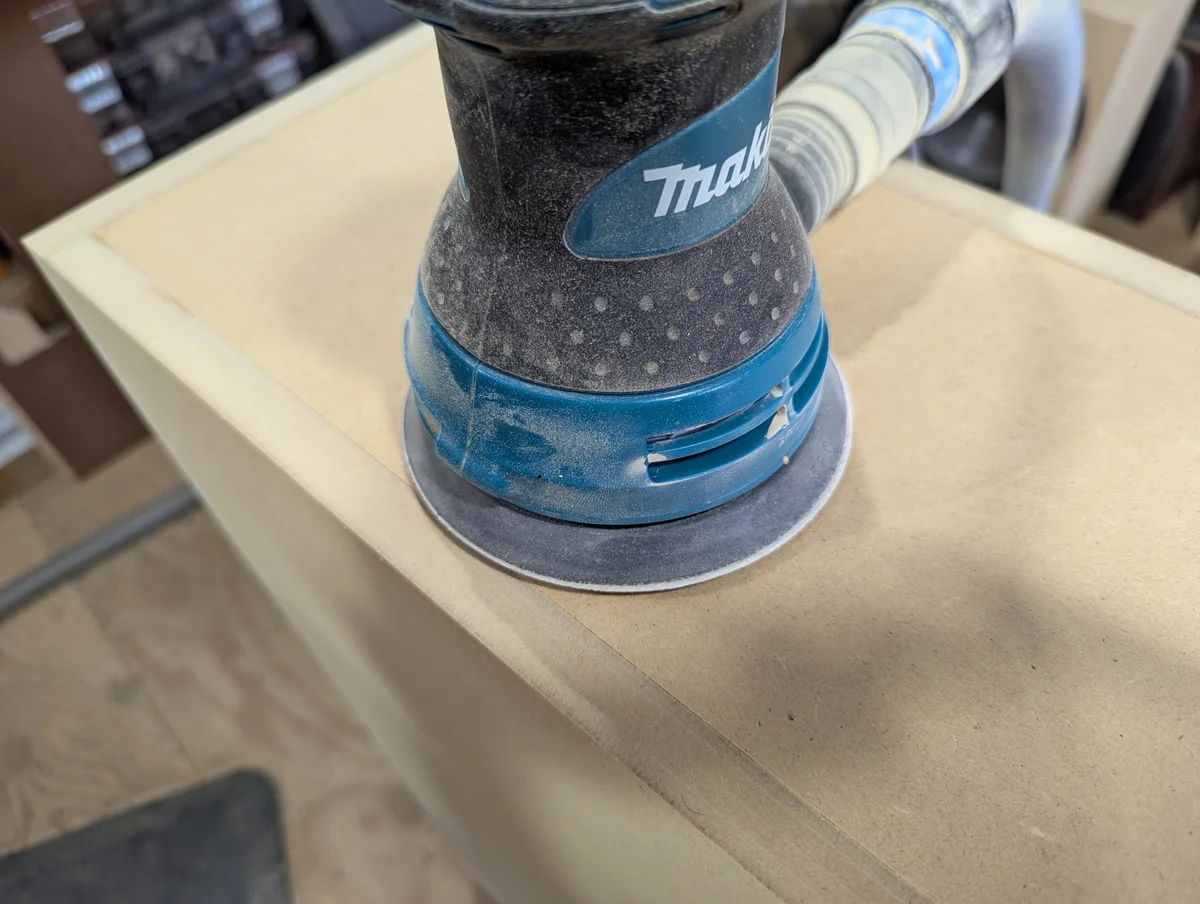
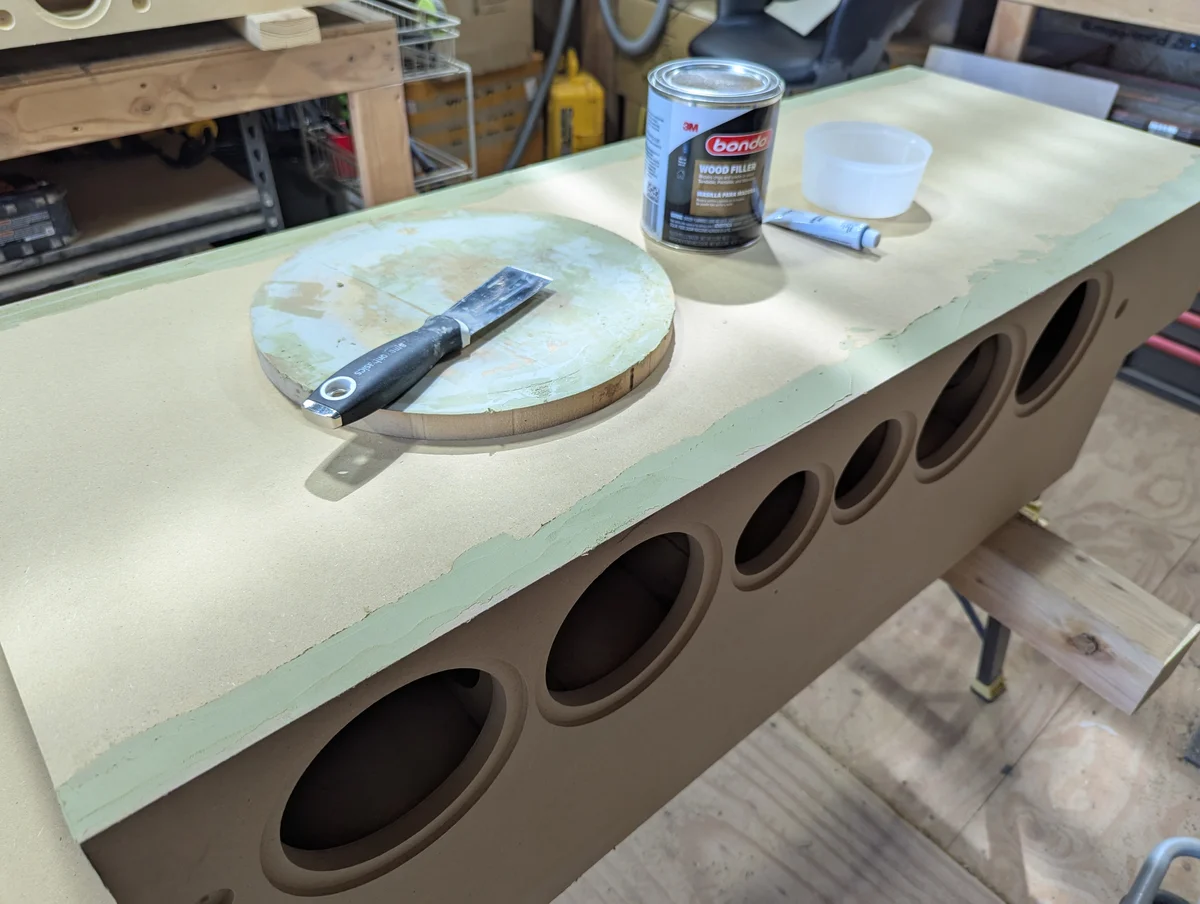
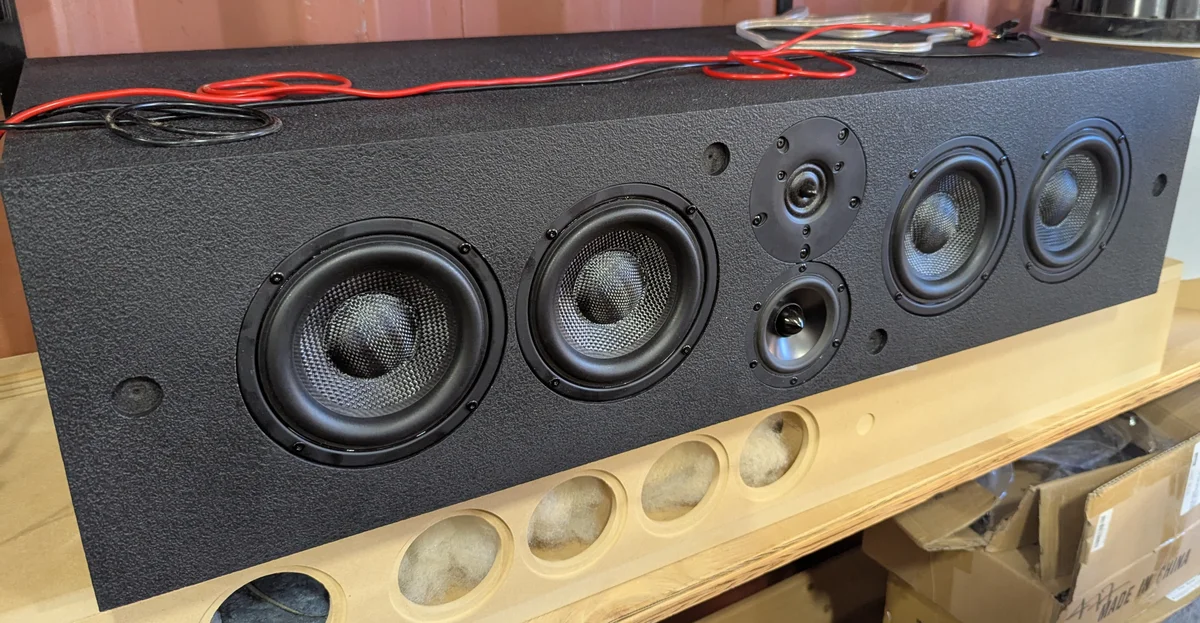
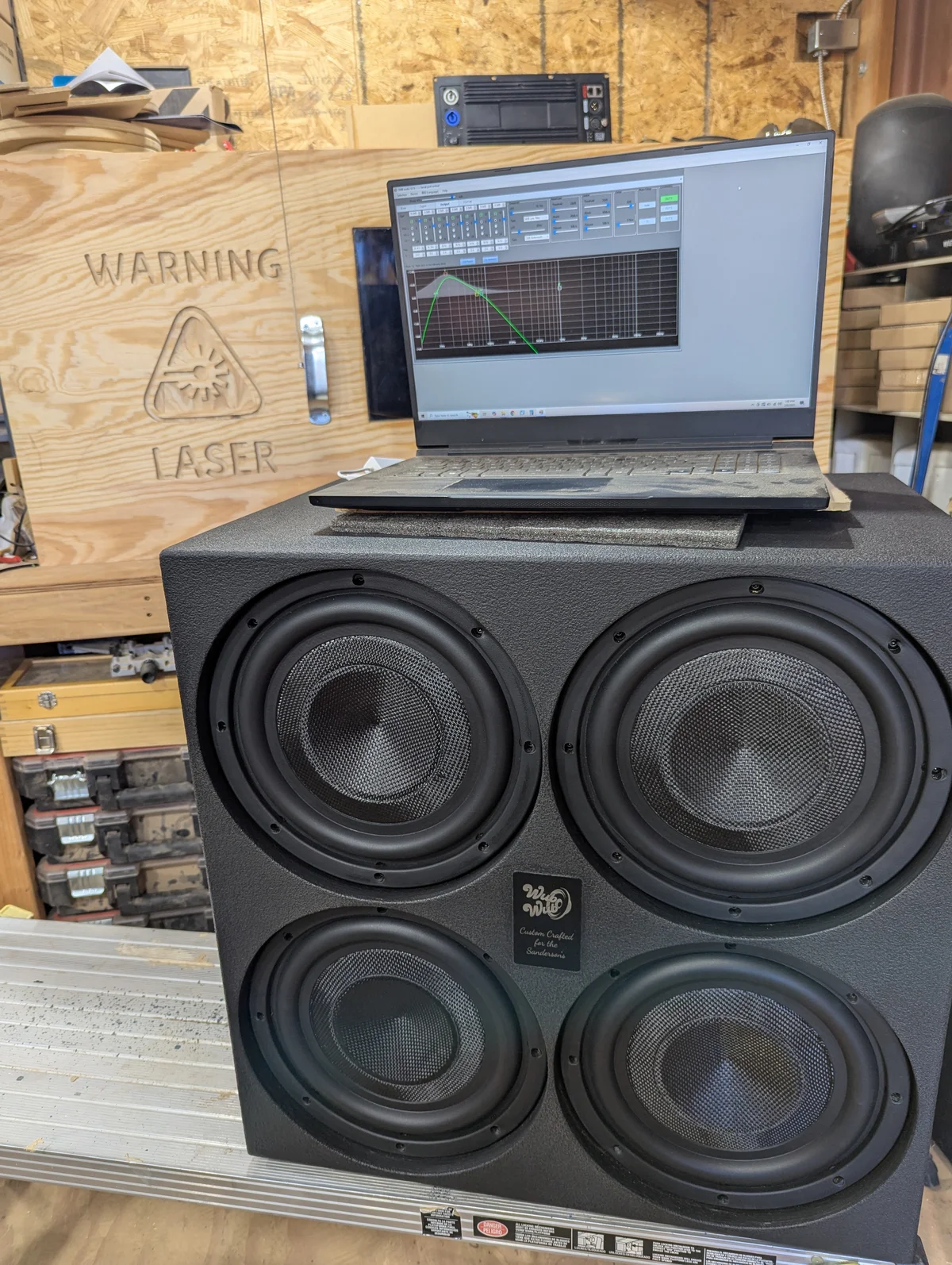
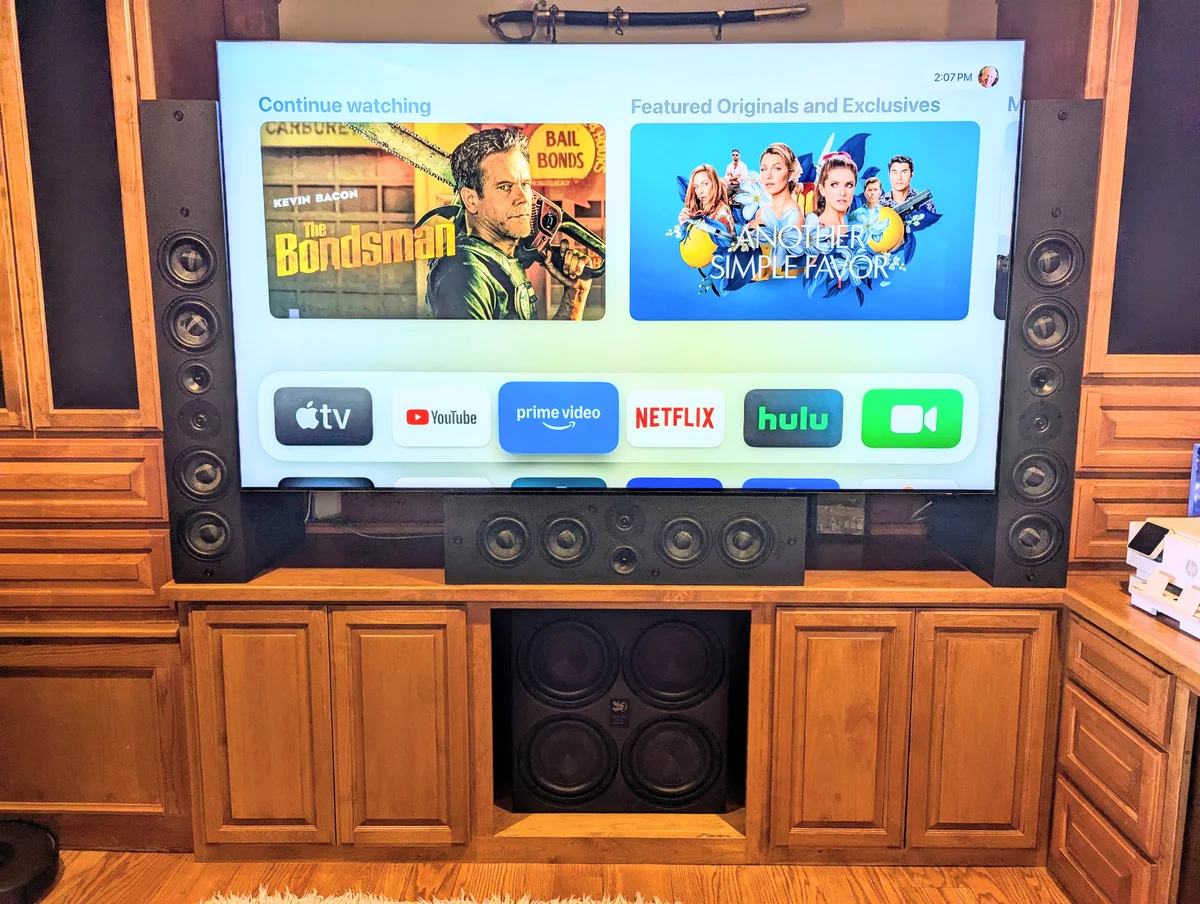
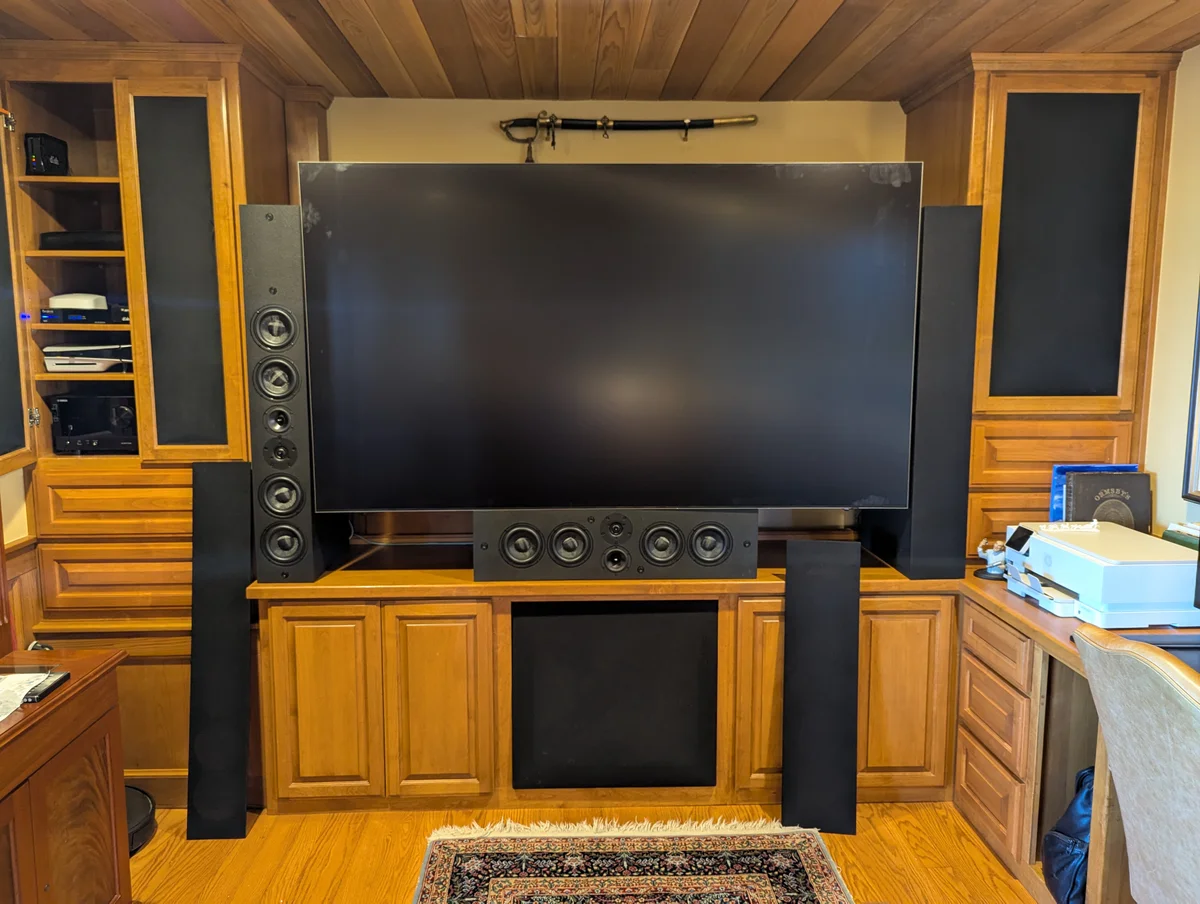
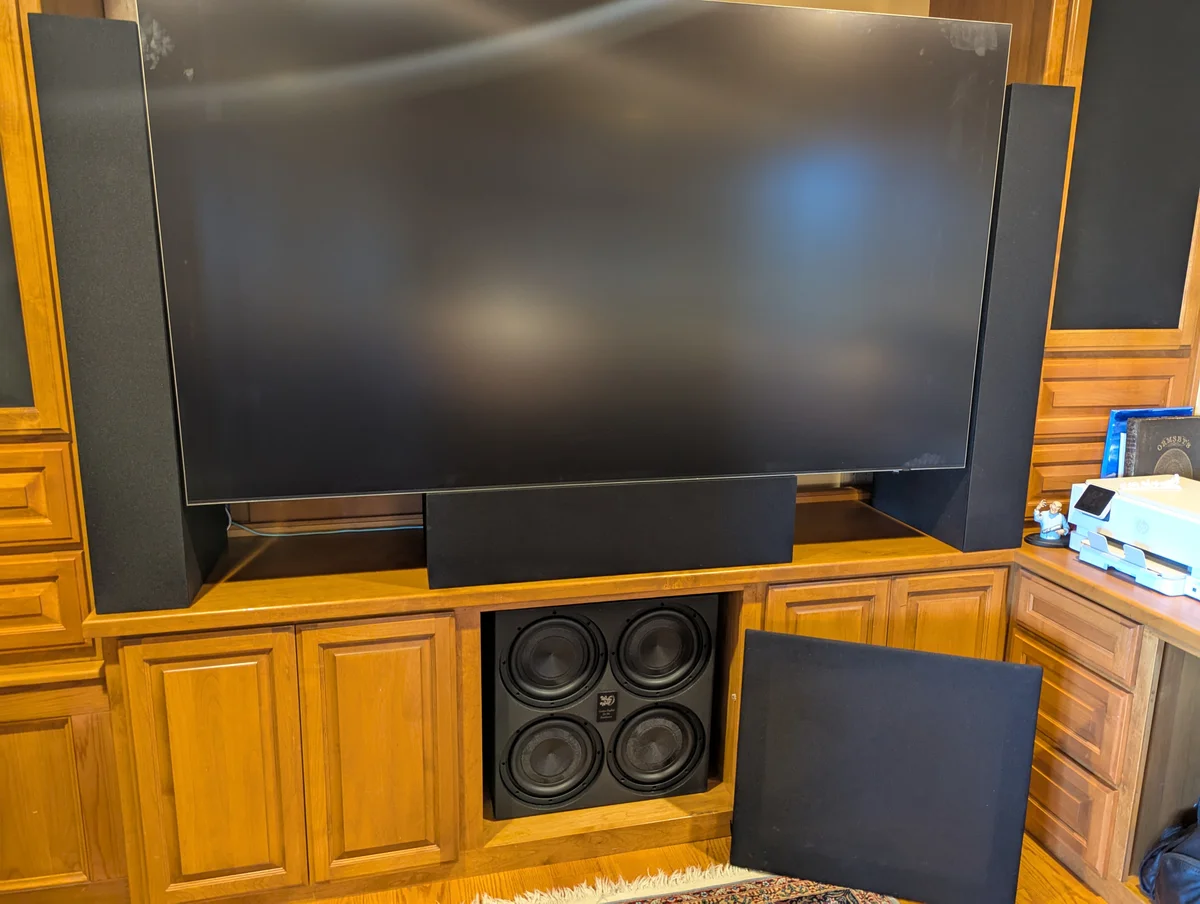
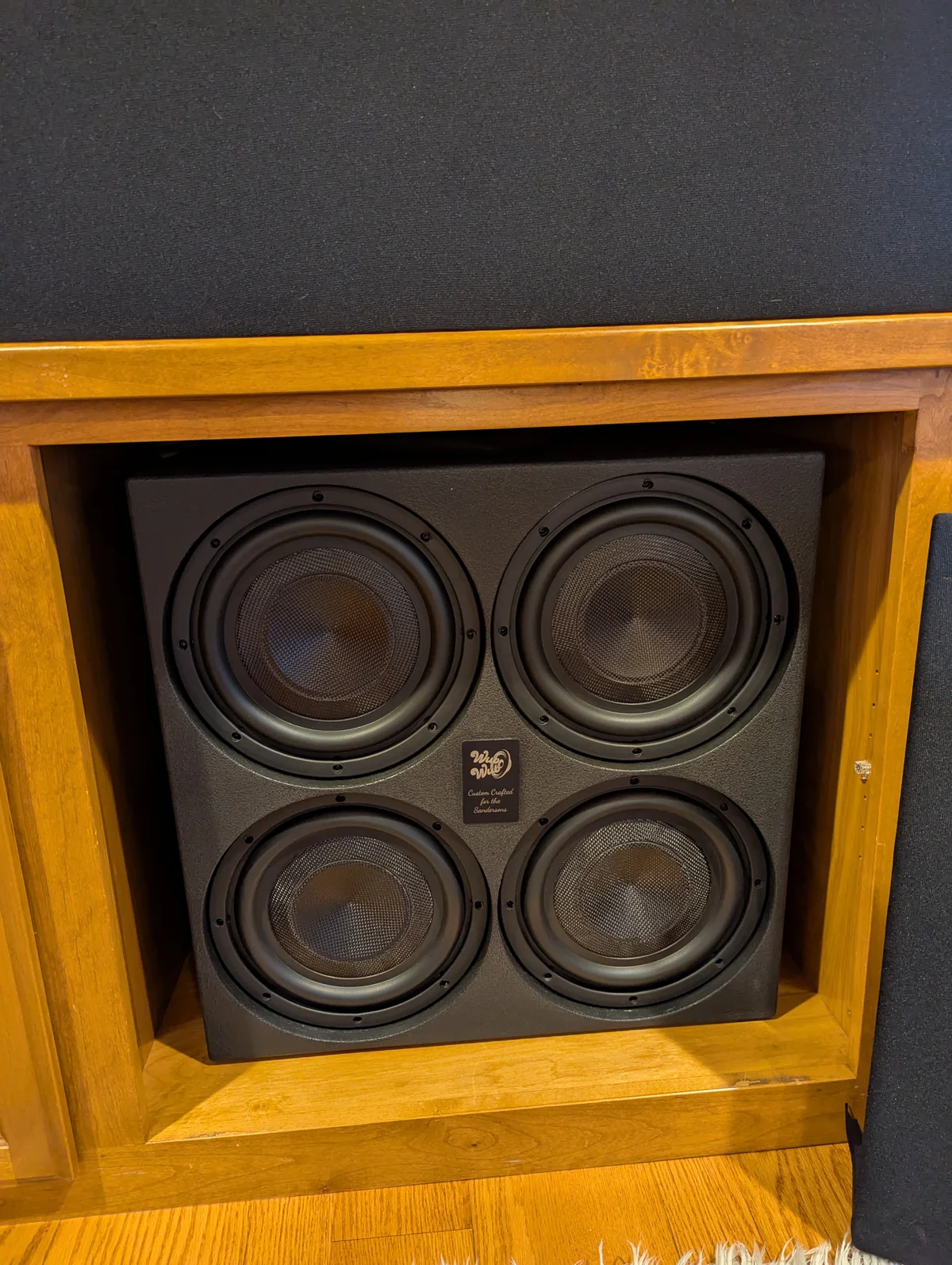
Every WubWub Audio speaker system is designed in software, precision-cut on our CNC, hand-assembled with internal bracing and acoustic damping, finished, wired, tested, and calibrated. Every speaker ships with a birth certificate, and clients follow the entire build through our online portfolio system with real-time photo updates. Here's what that process looks like.
You can spend $50,000 on speakers, but if you put them in an acoustically poor room, they'll sound worse than $5,000 speakers in a well-treated room.
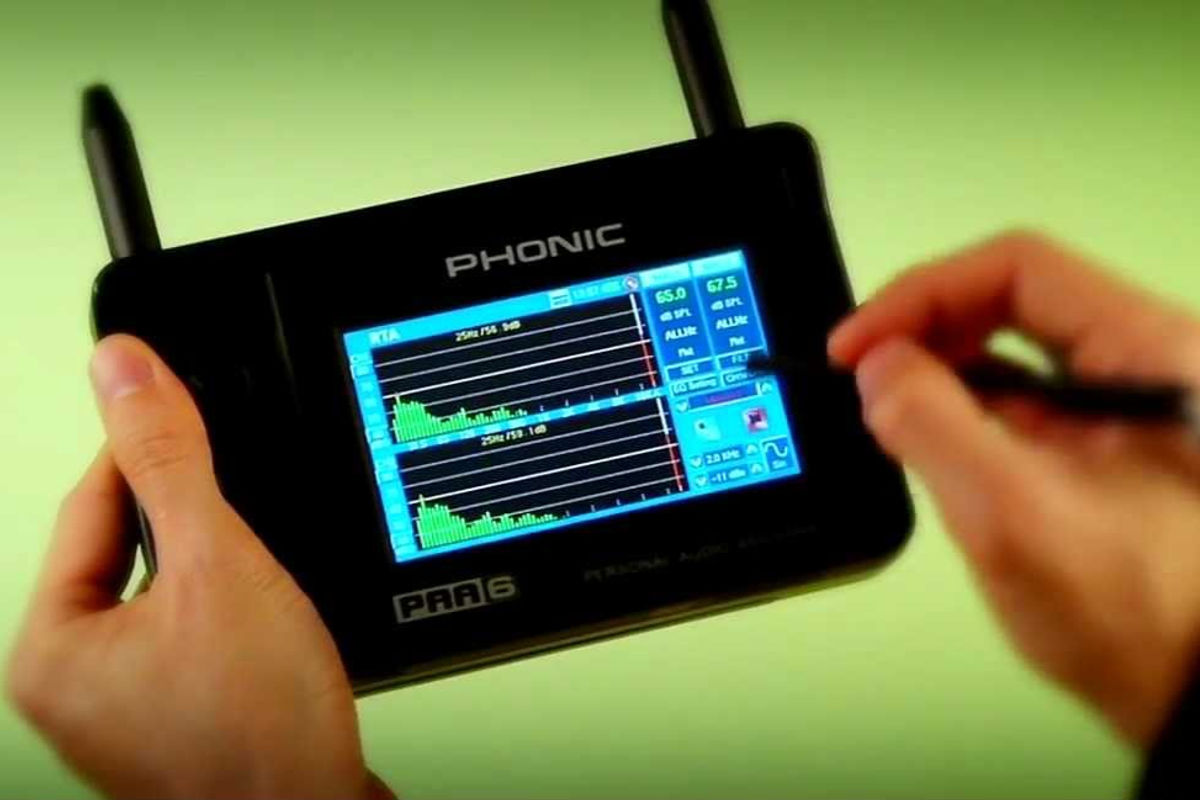
Modern receivers include auto-calibration systems (Audyssey, Dirac Live, YPAO). These measure and apply correction filters. In practice, they have serious limitations:
We use professional measurement microphones at multiple positions, analyze the data manually, and apply targeted corrections driver-by-driver. This is the difference between automated guesswork and professional engineering.
Small Rooms (Under 250 sq ft): 5.1 systems work well. Limited space means surrounds are close to listeners.
Medium Rooms (250-400 sq ft): 7.1 systems provide better surround immersion. Dual subwoofers strongly recommended.
Large Rooms (400+ sq ft): 7.1.4 Atmos systems shine here. Larger space allows proper height speaker separation.
Large TVs (75-100"): Excellent brightness, works in ambient light, simple installation. Best for multi-purpose media rooms.
Projectors (100-150"+): True cinema experience, requires light control. Best for dedicated theater rooms.
Screen size should match seating distance. For 4K content, sit about 1.5x the screen width away.
Modern home theaters typically include streaming devices (Apple TV, Roku, Shield), gaming consoles, and Blu-ray players for physical media. A quality AV receiver serves as the hub, routing video and processing audio.
Simple universal remotes to full smart home integration. We configure systems for one-touch operation — complexity happens behind the scenes.
Phone consultations are always free and detailed. In-home site surveys are $250, fully credited toward your project when you move forward. During the site survey, we bring multiple speaker configurations to your room, measure the space, identify acoustic challenges, and discuss your preferences and budget.
From design approval to completed installation, typically 6–12 weeks or more. This covers system design, cabinet fabrication, driver integration, amplifier assembly (for powered models), and bench testing before delivery. On-site installation and professional calibration add 1–3 days depending on system complexity.
Yes, for key phases. We need access for initial setup, and you should be present for the final calibration and training session so you understand how to operate your system.
We use a Phonic PAA6 professional studio-grade acoustic analyzer — the same tool used in recording studios and mastering facilities. This provides far greater accuracy than consumer auto-calibration systems.
Auto-calibration has fundamental limitations: cheap measurement mics that aren't accurate at frequency extremes, single-position optimization that compromises other seats, generic filters that can't address specific room problems, and insufficient processing power. We use calibrated professional measurement equipment, analyze multiple positions throughout the listening area, identify specific problems (room modes, early reflections, speaker mismatches), and apply targeted corrections. With powered speakers, we correct at the driver level for surgical precision impossible with passive systems.
Measurement with our Phonic PAA6 professional analyzer at multiple listening positions. Analysis of frequency response, impulse response, and phase. Identification of room modes, early reflections, response deviations, and time alignment errors. Targeted corrections using parametric EQ (on powered speakers, per-driver; on passive systems, through receiver). Verification with listening tests. You receive complete before/after documentation.
Calibration can compensate for many problems, but strategic treatments help. We provide specific recommendations based on measurements. Often, targeted panel placement delivers more improvement than whole-room treatment. Plan about 10–15% of your speaker budget for treatments if needed.
Custom HDMI cables and audio interconnects. All in-wall wire is rated for in-wall use — 14 or 12 gauge depending on acoustic requirements and run length. All cables, terminations, and wiring are covered under the 2-year installation warranty. See our warranty page for full details.
Every room is different. Every client has different priorities. We start with a consultation to understand your space, preferences, and budget. We can bring multiple configurations to your home so you hear the actual difference.
Page last reviewed: May 2026