
Two of Japan's most revered audio names, one 270-watt monster receiver, one legendary plasma TV, one ugly HDMI defect, and a streaming shift that ended an era. The full story.
Two names that used to mean the very best of Japanese engineering now live under the same corporate roof, and neither one got there in a good way. Pioneer built the receiver that still shows up on every "greatest of all time" list. Onkyo made the first THX-certified receiver you could buy for your living room. Both are still on shelves today. Neither company that earned those reputations survived the last decade intact.
I've had a lot of this gear on the bench. A silver Pioneer monster receiver from the '70s is a genuinely humbling thing to open up. An Onkyo AV receiver from around 2010 is a different experience entirely, and not always a happy one. This is the story of how two golden-era greats ended up sharing a fate, one defect, one merger, and one enormous shift in how people listen to music. Let me walk you through it.
Key Takeaways
- Pioneer (founded 1938) built the legendary SX-1980 receiver at 270 watts per channel and the acclaimed Kuro plasma TVs before exiting plasma in 2009.
- Onkyo (founded 1946) launched the first THX-certified consumer AV receiver in 1993 and dominated the AV-receiver market for two decades.
- Pioneer sold its home-AV business to Onkyo in a deal completed in March 2015, tying the two brands together.
- Onkyo Home Entertainment filed for bankruptcy on May 13, 2022, with about ¥3.1 billion (roughly $24 million) in liabilities.
- A joint venture of Premium Audio Company and Sharp bought the Onkyo, Integra, and Pioneer home-AV nameplates in 2021 for about $30.8 million.
Who founded Pioneer, and what made its golden era great?
Pioneer was founded in Tokyo in 1938 by Nozomu Matsumoto, who a year earlier had developed a dynamic speaker he named the A-8 and, fittingly, "Pioneer," according to the company's official history. From a small radio and speaker repair shop, Pioneer grew into one of the defining names of the separates era. The name was a promise, and for decades the gear kept it.
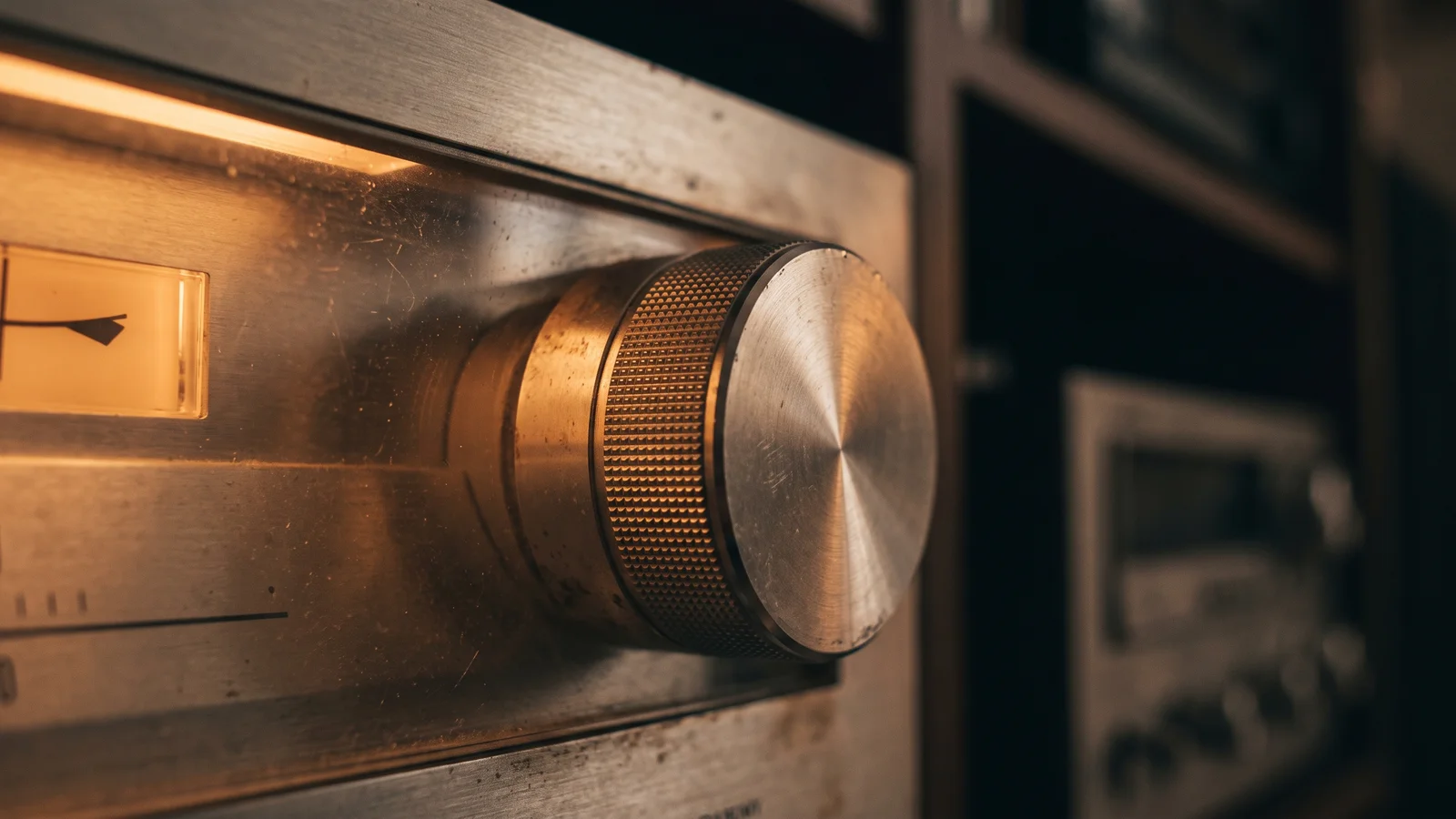
The high-water mark is the SX-series "monster receivers" of the 1970s. The flagship SX-1980, released in 1978, put out a staggering 270 watts per channel, weighed roughly 78 pounds, and sold for around $1,295 in period dollars, as documented in its detailed technical record. That was serious money at the time. It's a battleship. Open one up and you understand why collectors still fight over clean examples.
Pioneer's golden touch didn't stop at receivers. The company was an early force in LaserDisc, and later built the Elite "Kuro" plasma televisions, which reviewers regarded as the best-in-class reference for black levels, as Sound & Vision covered in its Elite Kuro reporting. The Elite premium sub-brand carried real weight. When someone said their TV was a Kuro, other AV people got quiet and a little jealous.
Here's the thing about that reputation. Pioneer earned it with engineering, not marketing. The SX-1980 and the Kuro are still the reference points people reach for when they describe what "the best" once meant. That makes what came next harder to watch.
Who founded Onkyo, and how did it dominate AV receivers?
Onkyo was founded in Osaka in September 1946 by Takeshi Godai, and the name itself is a statement of intent: On means "sound," Kyo means "harmony," as the brand's history records. It became Onkyo Corporation in 1971. For a company that started in postwar Japan building phono cartridges and speakers, it aimed high and mostly hit.
Onkyo's real claim to fame is home theater. In 1993, Onkyo launched the first THX-certified consumer AV receiver, putting cinema-grade surround processing into gear a normal person could actually buy, per the company record. That was a big deal. It planted a flag that Onkyo would defend for the next twenty years.
And defend it they did. Through the 2000s and 2010s, the Onkyo TX-NR line became one of the dominant forces in AV receivers, the default recommendation for people building a surround system on a real-world budget. Onkyo also built serious two-channel gear like the A-9000R integrated amplifier for the audiophiles. For a long stretch, if you wanted a lot of features and clean power per dollar, Onkyo was the obvious answer.
I want to be fair here, because the golden-era Onkyo reputation was deserved. The company packed genuine engineering into affordable boxes and, for a while, nobody did AV receivers better. Which is exactly why the next part stings.
What was the Onkyo HDMI-board defect?
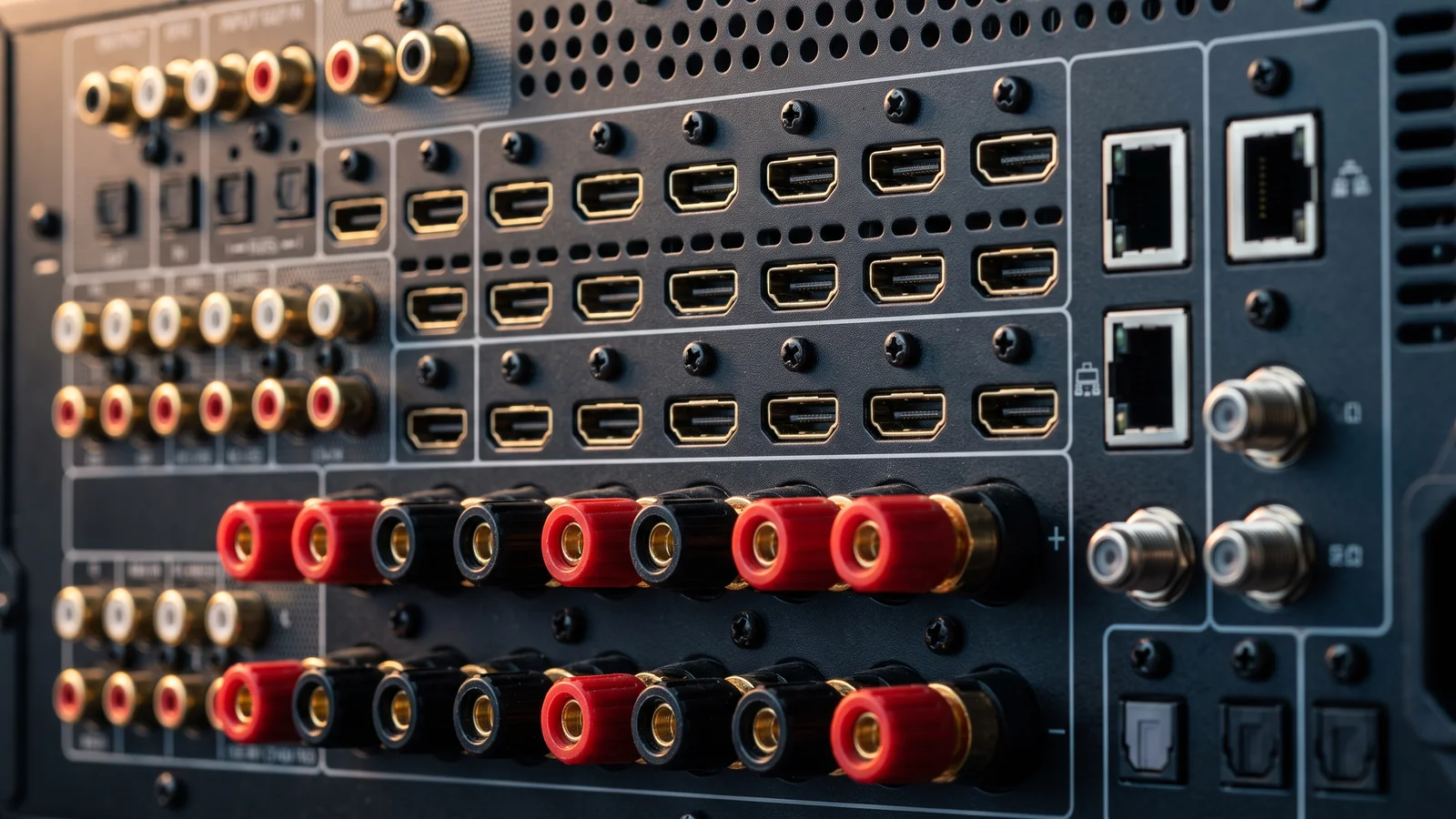
Onkyo AV receivers built roughly between 2009 and 2012 developed widely reported HDMI and network-board failures: no audio, no video on startup, and dropped network connections, a problem so common that Onkyo ran an official Customer Care Program extending warranties on affected units through December 31, 2018, as covered in reporting on the company's troubles. This one wasn't a rumor. Onkyo acknowledged it.
Let me be precise about what we actually know, because the internet loves to overstate this. The failures are community-documented across owner forums and confirmed by the existence of Onkyo's own extended-warranty program. I won't quote a failure percentage, because no reliable figure was ever published. And I won't tell you the single root cause, because the company never definitively published one either. Over the years it's been variously blamed on an HDMI or network chip, on solder-joint and overheating issues, and on failing capacitors.
What matters for our story is the reputational damage. When your affordable-but-solid brand becomes known for boards that die on startup, the trust you spent decades building starts to leak out fast. In my experience, once a brand gets a reliability reputation like that among the enthusiasts who recommend gear, it's very hard to win back. Onkyo was fighting that fire at the worst possible moment, right as the whole market underneath it was shifting.
How did Pioneer and Onkyo fall together?
The two brands became entangled in 2014, when Pioneer agreed to sell its home-AV business to Onkyo, a deal that completed in March 2015 and left Pioneer holding roughly a 15% stake in Onkyo, as What Hi-Fi reported when the move was completed. From that point, the fates of Pioneer and Onkyo home audio were stitched together. When one struggled, both did.
Pioneer's own trouble had started earlier. The company exited the plasma business in 2009, killing the beloved Kuro line, because premium plasma pricing couldn't survive against cheaper LCDs during the financial crisis, as TechRadar reported at the time. Losing Kuro was a gut punch. It was the best picture on the market, and the market chose cheaper. That's a pattern you'll see again in a second.
By the time Pioneer handed its AV business to Onkyo, as What Hi-Fi noted when the sale was first announced, the combined operation was carrying the HDMI-defect baggage into a market that was disappearing under everyone's feet. Onkyo was delisted from the Tokyo Stock Exchange in August 2021. Then, on May 13, 2022, Onkyo Home Entertainment Corporation filed for bankruptcy with about ¥3.1 billion in liabilities, roughly $24 million, as Forbes reported.
The blame, by most accounts, lands on a failure to adapt to streaming and smartphone-based audio, with the HDMI scandal compounding an already weak position, as ecoustics detailed in its bankruptcy coverage. That's the honest read. The separates-and-receiver market that made both brands got hollowed out by phones and streaming. The defect didn't kill Onkyo by itself. It just made a company with no cushion easier to knock over.
Who owns Onkyo and Pioneer now?
The home-AV nameplates were rescued before the bankruptcy finalized: on June 28, 2021, a joint venture of Premium Audio Company (a VOXX subsidiary) and Sharp agreed to acquire Onkyo's home-entertainment A/V business, roughly 75% PAC and 25% Sharp, as Forbes reported. The deal completed on September 8, 2021, for about $30.8 million, as PRNewswire announced. The names survived. The Japanese companies that built them did not.
That joint venture holds Onkyo and Integra outright, plus the Pioneer and Pioneer Elite home-AV nameplates via licensing, as audioXpress reported on the VOXX and Sharp acquisition. Premium Audio Company is a serious collector of audio brands. It also owns Klipsch, Jamo, and Energy, among others, as audioXpress documented when Klipsch Group became Premium Audio Company. Then the ownership chain grew one more link.
VOXX International, Premium Audio Company's parent, was itself acquired by Gentex Corporation on April 1, 2025, as Gentex confirmed in its investor announcement. So today, Onkyo, Pioneer, and Integra home audio sit under a stack that runs Premium Audio Company, then VOXX, then Gentex, with Sharp as the joint-venture partner. The VOXX transaction history is documented in the company's SEC filings. A long way from a workshop in Osaka.
One quick clarification, because it confuses people. The larger Pioneer corporation, the one you know from car stereos and navigation, was taken private by Baring Private Equity Asia in 2019, as its corporate record shows. Its famous DJ arm was sold off and later renamed AlphaTheta, a separate story documented in the Pioneer DJ record. That's a whole different saga. This article is about home hi-fi, so I'll leave the turntables and the dashboards for another day.
Is current Onkyo and Pioneer gear still good?
Here's where I have to be careful, because the lazy take gets this wrong. The current Onkyo, Pioneer, and Integra AV receivers built under Premium Audio Company and Sharp are legitimately decent machines, and the vintage gear is genuinely revered, as the brand histories make clear. This is not a story about junk. It's a story about who owns the name and what killed the companies that earned it.
There's a word for a trusted engineering brand slowly becoming a nameplate that mostly optimizes outsourced cost. The writer Cory Doctorow calls that pattern enshittification, and plenty of audio brands are textbook cases of it. But I want to use it precisely here, because Onkyo and Pioneer aren't a clean example. The primary killers weren't cynical cost-cutting. They were an external market shift, streaming and smartphones gutting the separates-and-receiver business, plus a real hardware-quality failure in those HDMI boards. The nameplate outliving the company is the aftermath, not the cause.
And that's the part worth sitting with. A defective outsourced board helped drag a whole revered brand toward bankruptcy, and once the founding company was gone, the name got picked up, licensed, and folded into a holding-company stack four levels deep. Nobody whose signature was on the original work is signing off on it anymore.
That's exactly why some of us still build the old way. When we build a custom home theater in Arizona, the person whose name is on the shop is accountable for the parts that go in it, and there's no anonymous board from a low-bid supplier deciding whether your system boots up tomorrow. Revere the SX-1980. Respect the Kuro. And remember that a name only means as much as the hands still standing behind it.
Frequently Asked Questions
What happened to Onkyo?
Onkyo Home Entertainment Corporation filed for bankruptcy on May 13, 2022, with about ¥3.1 billion (roughly $24 million) in liabilities. The failure was blamed on not adapting to streaming and smartphone audio, worsened by a widely reported HDMI-board defect. Its home-AV nameplates were bought by a Premium Audio Company and Sharp joint venture in 2021.
What happened to Pioneer?
Pioneer exited the plasma TV business in 2009, killing its acclaimed Kuro line, then sold its home-AV business to Onkyo in a deal completed in March 2015. The larger Pioneer corporation was taken private by Baring Private Equity Asia in 2019. Its Pioneer and Pioneer Elite home-AV nameplates are now licensed to the Premium Audio Company and Sharp joint venture.
Did Onkyo go bankrupt?
Yes. Onkyo was delisted from the Tokyo Stock Exchange in August 2021, and Onkyo Home Entertainment Corporation formally filed for bankruptcy on May 13, 2022, with roughly ¥3.1 billion in liabilities. Reporting attributed the collapse to a failure to adapt to streaming and smartphone audio, compounded by the fallout from its HDMI-board reliability scandal.
Who owns Onkyo and Pioneer now?
Onkyo, Integra, and the Pioneer and Pioneer Elite home-AV nameplates are held by a joint venture of Premium Audio Company (roughly 75%) and Sharp (roughly 25%), formed in 2021. Premium Audio Company's parent, VOXX International, was acquired by Gentex Corporation on April 1, 2025, so the brands now sit under Gentex.
What was the Onkyo HDMI problem?
Onkyo AV receivers built roughly from 2009 to 2012 developed widely reported HDMI and network-board failures, including no audio or video on startup and dropped network connections. Onkyo ran an official Customer Care Program extending warranties through December 31, 2018. The exact root cause was never definitively published, and no reliable failure rate was ever confirmed.
Sources
- Pioneer, Corporate History (official): https://global.pioneer/en/corp/info/history/
- Wikipedia, "Pioneer Corporation": https://en.wikipedia.org/wiki/Pioneer_Corporation
- Wikipedia, "Pioneer SX-1980": https://en.wikipedia.org/wiki/Pioneer_SX-1980
- Wikipedia, "Onkyo": https://en.wikipedia.org/wiki/Onkyo
- Wikipedia, "Pioneer DJ": https://en.wikipedia.org/wiki/Pioneer_DJ
- Forbes, "Onkyo Finally Files For Bankruptcy": https://www.forbes.com/sites/marksparrow/2022/05/14/classic-japanese-audio-brand-onkyo-finally-files-for-bankruptcy/
- Forbes, "Onkyo Will Continue Thanks To Premium Audio Company And Sharp": https://www.forbes.com/sites/marksparrow/2022/05/16/onkyo-will-continue-as-a-major-audio-brand-thanks-to-premium-audio-company-and-sharp/
- ecoustics, "Onkyo Files Bankruptcy": https://www.ecoustics.com/news/onkyo-bankruptcy-2022-05-13/
- What Hi-Fi, "Pioneer to sell AV business to Onkyo": https://www.whathifi.com/news/pioneer-to-sell-av-business-to-onkyo
- What Hi-Fi, "Pioneer completes move to become Onkyo subsidiary": https://www.whathifi.com/news/pioneer-completes-move-to-become-subsidiary-onkyo
- audioXpress, "VOXX International and Sharp Corporation to Acquire Onkyo Home Entertainment A/V Business": https://audioxpress.com/news/voxx-international-confirms-joint-venture-agreement-with-sharp-to-acquire-onkyo-home-entertainment-business
- audioXpress, "Klipsch Group Becomes Premium Audio Company": https://audioxpress.com/news/voxx-international-corporation-announces-klipsch-holding-is-now-premium-audio-company
- PRNewswire, "VOXX International Completes Acquisition of Onkyo Home Entertainment A/V Business": https://www.prnewswire.com/news-releases/voxx-international-corporation-completes-the-acquisition-of-the-audiovideo-business-of-onkyo-home-entertainment-corporation-301371856.html
- U.S. Securities and Exchange Commission, VOXX International Form 8-K filings: https://www.sec.gov/cgi-bin/browse-edgar?action=getcompany&CIK=0000807707&type=8-K
- Gentex Corporation Investor Relations, "Gentex Corporation Completes Acquisition of VOXX International": https://ir.gentex.com/news-releases/news-release-details/gentex-announces-closing-voxx-international-acquisition
- Sound & Vision, Pioneer Elite Kuro coverage: https://www.soundandvision.com/content/pioneer-elite-kuro
- TechRadar, "Pioneer to stop making plasma TVs": https://www.techradar.com/news/television/hdtv/official-pioneer-kills-off-its-kuro-tv-range-528675
Mike Vincent is the founder of Mike Knows Audio Video and WubWub Audio, where he designs and hand-builds custom loudspeakers and home theaters in Arizona, the old way, for about fifteen clients a year. He has a real soft spot for the silver-faced monster receivers and reference plasmas of the golden age; if you want a system built by hands that stay accountable to it, start with our home theater systems.
Comments
Leave a Comment