
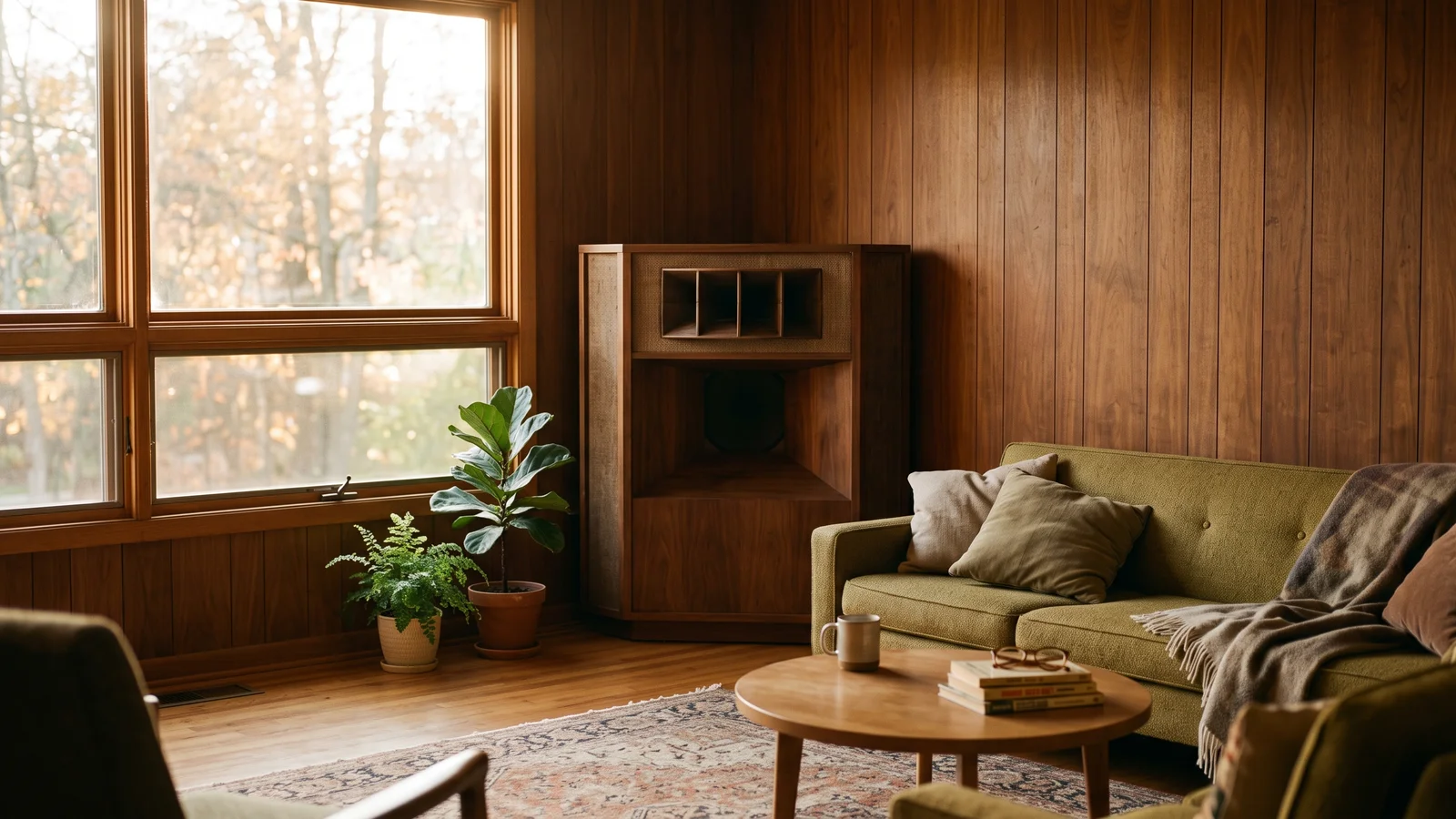
One logo, two realities: hand-built Heritage horns from Hope, Arkansas, and China-built Reference speakers. Here's the honest story of what Klipsch is now.
Ask a room full of audio people whether Klipsch is still American and you'll start an argument. Half of them will point to a hand-built corner horn from Arkansas. The other half will hold up a Bluetooth speaker molded in a factory overseas. Both are right. That's the strange, honest truth about Klipsch in 2026.
There are really two Klipsch brands wearing the same logo. One still gets glued, veneered, and signed off by human hands in a small Arkansas town. The other gets designed by American engineers and then built thousands of miles away, out of particleboard and vinyl. Same badge. Two completely different realities. I build speakers for a living, so this split fascinates me. Let me untangle it.
Key Takeaways
- Klipsch was founded in 1946 in a tin shed in Hope, Arkansas, and the Klipschorn has been in production ever since, a run the company calls the longest of any speaker at roughly 80 years.
- The Heritage line (Klipschorn, Heresy, Cornwall, La Scala, Forte) is still hand-assembled in Hope, Arkansas, from real hardwood and veneer.
- The Reference and consumer lines are engineered in Indianapolis but built in China, usually from MDF with vinyl wraps.
- Even Heritage speakers are assembled in the USA using some globally sourced parts, so "hand-built in Hope," not "100% made in America," is the accurate phrase.
- Klipsch's ultimate parent is now Gentex, which acquired VOXX International on April 1, 2025.
Is Klipsch still made in America?
Yes and no, and the answer depends entirely on which Klipsch you buy. The Heritage line, including the Klipschorn that launched the company in 1946, is still hand-assembled in Hope, Arkansas, according to Klipsch's own Heritage documentation. The Reference and consumer lines are a different story: designed in Indianapolis, manufactured in China.
So the brand isn't lying when it says "made in America," and it isn't lying when a Reference speaker says "made in China." Both statements are true about the same company. This is why the question trips people up. You have to name the specific line before the origin answer means anything at all.
One accuracy note I won't skip, because it matters. Even the Heritage speakers are best described as assembled in the USA using some globally sourced components, not built from 100 percent American parts, as an independent made-in-USA sourcing breakdown documents. Drivers, hardware, and raw materials travel. The cabinets and the assembly, though, are genuinely Arkansas work.
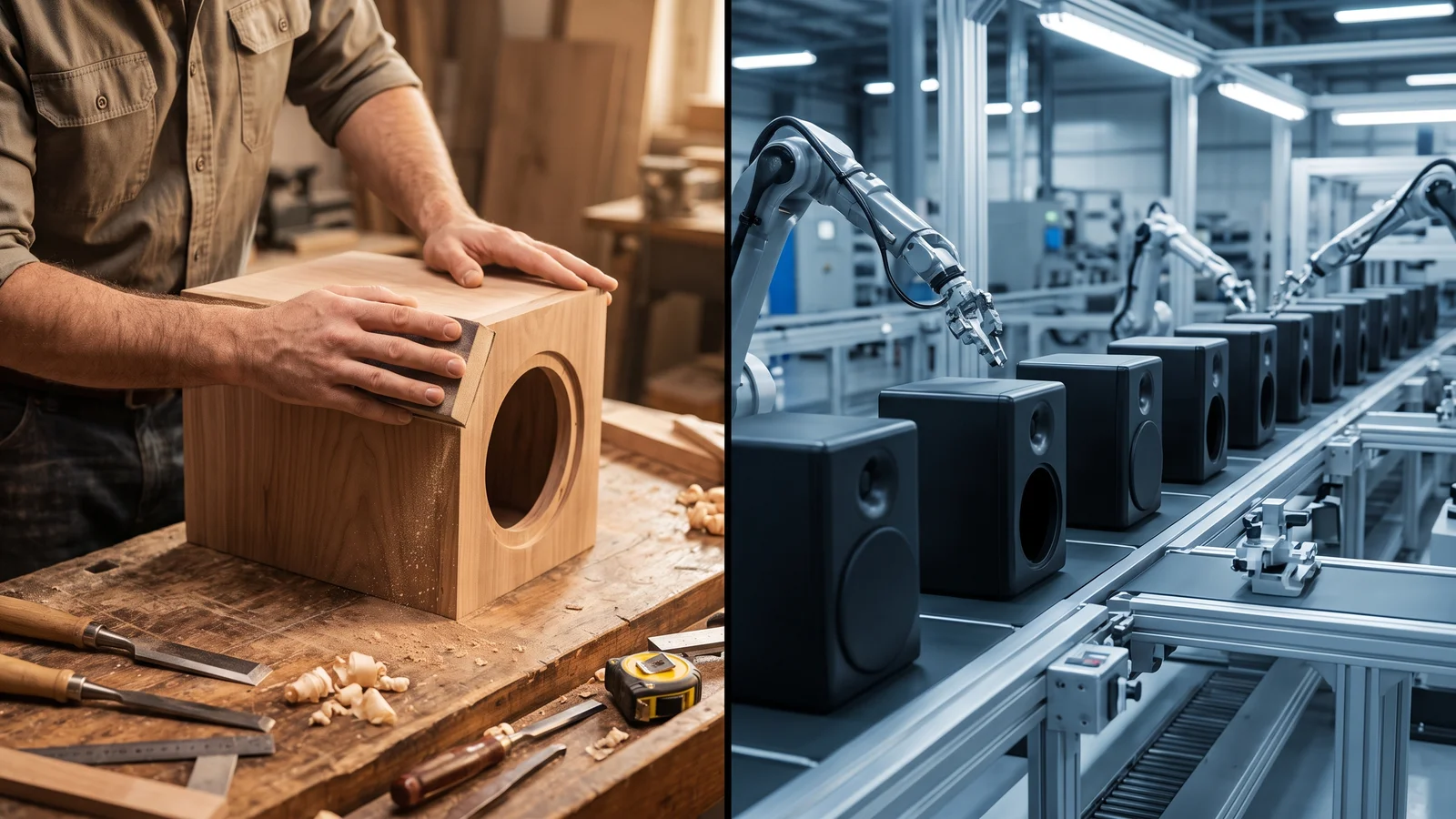
Here's the citation-ready version. Klipsch keeps its founding Heritage horns, including the Klipschorn, Heresy, Cornwall, La Scala, and Forte, in hand assembly at its original Hope, Arkansas factory, while its Reference and consumer lines are engineered in the United States and manufactured overseas (Klipsch; Gear Patrol).
How did a tin shed in Hope, Arkansas start it all?
Klipsch began in 1946 when Paul W. Klipsch founded "Klipsch and Associates" in a tin shed in Hope, Arkansas, and built the first run of 12 Klipschorn corner horns, per the Encyclopedia of Arkansas. That fully horn-loaded corner speaker became the company's cornerstone. Everything Klipsch is today traces back to that shed.
Paul Klipsch was an engineer and a character, and his full story deserves its own telling, which it gets elsewhere in this series. For our purposes here, the important thing is what he built, not just who he was. He was chasing efficiency. A horn-loaded speaker turns a small amplifier into a big, effortless sound, and in 1946 amplifier watts were precious and expensive.
The Klipschorn is the through-line of the whole company. Klipsch calls it the longest continuously produced loudspeaker in the world, a claim of roughly 80 years by 2026, as the company states on the model's product page. I'll flag that as a company claim rather than an independently audited fact, but nobody seriously disputes the gist: this corner horn has been in the catalog, in some form, since Harry Truman was president.
What makes the Heritage line different?
The Heritage line is the part of Klipsch that never left home. These speakers are hand-assembled in Hope, Arkansas, from real hardwood and wood veneer with no robotics on the line, and a single cabinet can take anywhere from about 40 minutes to 12 hours of hand work, according to Gear Patrol's factory reporting. That range alone tells you these aren't stamped out by machine.
Look at the roster and you're looking at postwar American audio history. The Klipschorn arrived in 1946. The Heresy followed in 1957, and it's often credited as effectively the first commercial center-channel speaker. The Cornwall came in 1959, the La Scala in 1963, and the Forte in 1985 (Klipsch; Gear Patrol). Modern IV-series revisions and the 2022 Jubilee keep the line evolving instead of freezing it in amber.
What ties all of them together is high-efficiency horn loading, Paul Klipsch's signature move. A horn acts like an acoustic gearbox, matching the driver to the air in the room so you get loud, clean output from modest power. The engineering behind that trick is worth a closer look on its own.
I've built and voiced enough horn systems to respect what the Heritage line pulls off. Horn geometry is unforgiving. Get the flare or the throat wrong and it honks. Klipsch has spent almost 80 years refining those curves, and the payoff is a speaker that plays loud, plays easy, and lasts for decades. That kind of longevity is the whole argument for building things by hand.
Why does one logo now mean two different products?
Because two very different manufacturing philosophies now share a single badge, the Klipsch name means one thing on a Heritage horn and something else entirely on a Reference tower. The Reference and consumer lines are engineered in Indianapolis but built in China, typically from MDF with vinyl wraps, as widely reported in coverage of the brand. Same logo, two realities.
Let me be fair about the offshoring, because the timing matters. The consumer and Reference lines are reported to have moved production overseas in the early 2000s. I'll state that as reported rather than as a hard, Tier-1-documented date, because sourcing on the exact year is thin. What's clear is the outcome: a shopper today can buy a "Klipsch" that's a hand-veneered Arkansas horn or a "Klipsch" that's a mass-produced particleboard tower, and the box art won't make the difference obvious.
This is where I'll use a word I try to use sparingly. Trading on a legendary American name while quietly swapping hardwood and hand labor for MDF, vinyl, and an overseas assembly line is a textbook case of what the writer Cory Doctorow calls enshittification, and it's aimed squarely at the Reference, consumer, and Bluetooth tiers, not the Heritage horns. The badge stays premium in the customer's memory while the product underneath it gets cheaper to make.
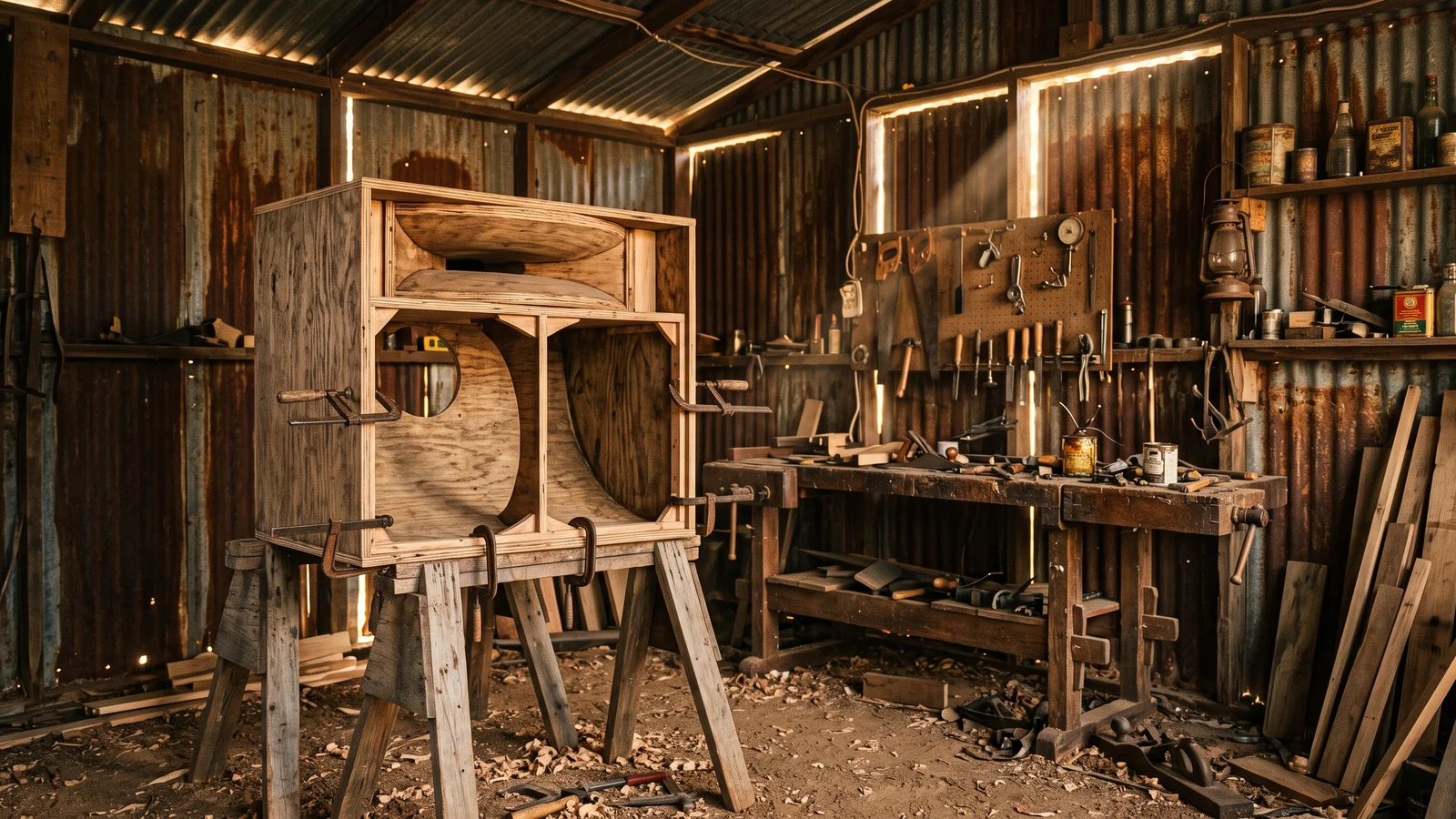
But here's the counter-fact that keeps Klipsch off the villain list, and it's a big one. The Heritage line is a genuine survivor. Paul Klipsch's actual hand-built product, the Klipschorn, still comes out of Hope, Arkansas, roughly 80 years later, as Klipsch documents in its Heritage materials. Most founders' names get fully hollowed out after a corporate sale. Klipsch kept the real thing alive on the same factory floor. That's rare, and it deserves credit.
Who owns Klipsch now?
Klipsch's ultimate parent is now Gentex Corporation, which closed its acquisition of VOXX International on April 1, 2025, at $7.50 per share, per Gentex's closing announcement. VOXX owned the Premium Audio Company, the VOXX subsidiary that operated Klipsch alongside Onkyo, Integra, Jamo, and Energy. So the chain of custody runs a long way from that tin shed.
The full ownership story is a good lesson in how founders' brands drift into conglomerates. Paul Klipsch sold the company to his cousin Fred S. Klipsch in 1989, a second or distant cousin who ran the business with his wife Judy; the business operations moved to Indianapolis while manufacturing stayed put in Hope, as Arkansas Business documented. That 1989 split, corporate up north, craft down south, is where the two-brands story really begins.
Then the corporate chapter accelerated. Audiovox acquired Klipsch Group Inc. in 2011, a deal announced at about $166 million and finalized at roughly $169.6 million per SEC filings (PR Newswire; SEC). Audiovox later became VOXX International, which ran Klipsch under its Premium Audio Company subsidiary, as trade press has tracked. Then Gentex, an automotive-electronics company best known for auto-dimming mirrors, bought the whole thing in 2025 (audioXpress). The people who own Klipsch today make car mirrors. The Klipschorn still gets built by hand in Hope. Both of those things are true at once. For the fuller conglomerate picture, there's more to the VOXX and Premium Audio story elsewhere in this series.
That through-line, the hand-built product surviving every sale, is exactly the part I care about. Heritage honors it. The consumer tiers abandoned it the day they swapped hardwood for MDF and Arkansas for an overseas line. We build the same way the Hope factory still does, made to order, one small batch a year, each speaker signed off by the person whose name is on the shop. If you want that kind of build, start with our custom loudspeakers.
Frequently Asked Questions
Is Klipsch still made in America?
Partly. The Heritage line, including the Klipschorn, Heresy, Cornwall, La Scala, and Forte, is still hand-assembled in Hope, Arkansas, from real hardwood, according to Klipsch. The Reference and consumer lines are engineered in Indianapolis but manufactured in China. So the honest answer depends entirely on which Klipsch model you're buying.
Who owns Klipsch?
Klipsch's ultimate parent is Gentex Corporation, which acquired VOXX International on April 1, 2025, at $7.50 per share, per Gentex's closing announcement. VOXX ran Klipsch through its Premium Audio Company subsidiary. Before that, Audiovox bought Klipsch in 2011 and later became VOXX International, having acquired the brand from the Klipsch family.
Are Klipsch Heritage speakers made in the USA?
Yes, with one caveat. Heritage speakers are hand-assembled in Hope, Arkansas, from hardwood and veneer, as Klipsch documents. The accurate phrasing is "assembled in the USA using some globally sourced components," not "100% made in America," since drivers and hardware can be sourced internationally. The cabinets and hand assembly are genuinely Arkansas work.
What is a Klipschorn?
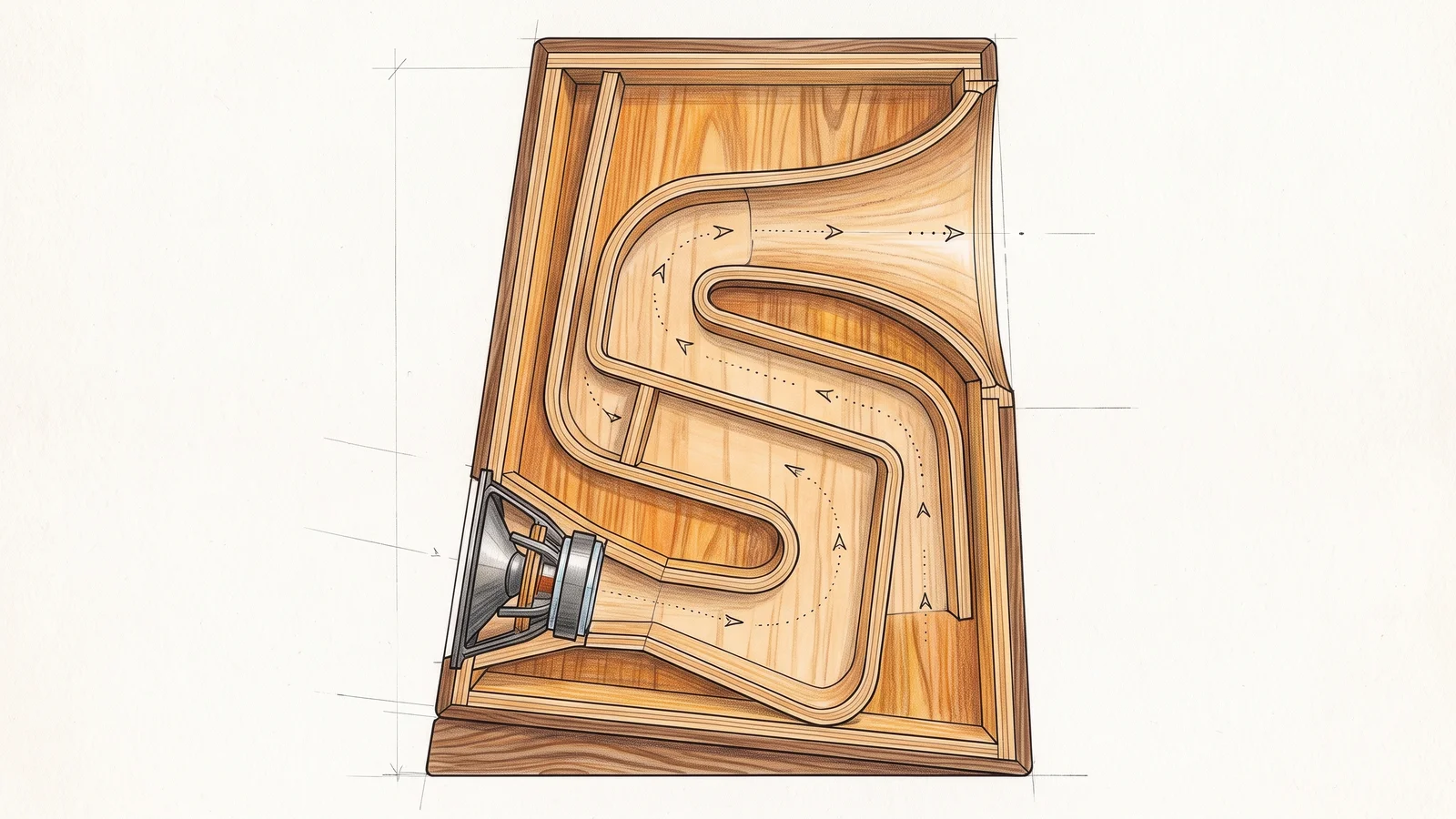
The Klipschorn is a fully horn-loaded corner loudspeaker that Paul W. Klipsch introduced in 1946, built in a first run of 12 units, per the Encyclopedia of Arkansas. Klipsch calls it the longest continuously produced loudspeaker in the world, roughly 80 years by 2026. It uses the corner walls of a room to extend its horn and boost efficiency.
Is Klipsch Reference made in China?
Yes, by most reporting. The Klipsch Reference, Reference Premiere, and consumer lines are designed and engineered in Indianapolis but manufactured in China, typically from MDF with vinyl wraps, as widely reported. This contrasts with the Heritage line's hand assembly in Hope, Arkansas. Same logo, two very different manufacturing realities behind it.
Sources
- Wikipedia, "Klipsch Audio Technologies": https://en.wikipedia.org/wiki/Klipsch_Audio_Technologies
- Encyclopedia of Arkansas, "Klipsch Group, Incorporated": https://encyclopediaofarkansas.net/entries/klipsch-audio-technologies-2764/
- Klipsch, "Defining the Klipsch Brand": https://www.klipsch.com/klipsch-brand
- Klipsch, "Heritage Premium Audio": https://www.klipsch.com/heritage-premium-audio
- All American Made, "Where Are Klipsch Speakers Made?": https://www.allamericanmade.com/where-are-klipsch-speakers-made/
- Klipsch, "Klipschorn Floorstanding Speaker": https://www.klipsch.com/products/klipschorn-floorstanding-speaker
- Gear Patrol, "The Klipsch Heritage Speakers Guide": https://www.gearpatrol.com/tech/audio/a36521823/klipsch-heritage-speakers-guide/
- Gear Patrol, "Klipschorn History": https://www.gearpatrol.com/audio/klipsch-klipschorn-history/
- U.S. Securities and Exchange Commission, Audiovox Form 8-K/A (Klipsch acquisition): https://www.sec.gov/Archives/edgar/data/0000807707/000080770711000019/klipsch8k-052011.htm
- PR Newswire, "Audiovox Announces Definitive Agreement to Acquire Klipsch": https://www.prnewswire.com/news-releases/audiovox-announces-definitive-agreement-to-acquire-klipsch-115219889.html
- Arkansas Business, "Klipsch: Hope's Sweet Sound Since 1946": https://www.arkansasbusiness.com/article/klipsch-hopes-sweet-sound-since-1946/
- PR Newswire, "Gentex Corporation Closes on its Acquisition of VOXX International Corporation": https://www.prnewswire.com/news-releases/gentex-corporation-closes-on-its-acquisition-of-voxx-international-corporation-302416948.html
- audioXpress, "Gentex Closes Acquisition of VOXX International": https://audioxpress.com/news/gentex-closes-acquisition-of-voxx-international-corporation
- Strata-gee, "Gentex - Soon to be Owner of Voxx, Onkyo & Klipsch - Reports 4Q & Full Year Results": https://www.strata-gee.com/gentex-soon-to-be-owner-of-voxx-onkyo-klipsch-reports-4q-full-year-results/
Mike Vincent is the founder of Mike Knows Audio Video and WubWub Audio, where he designs and hand-builds custom loudspeakers and home theaters in Arizona, the old way, for about fifteen clients a year. He has a deep respect for the Hope, Arkansas crew still gluing up hardwood horns by hand while the rest of the industry chases the cheapest factory it can find; if you want a speaker built with that kind of care, start with our custom loudspeakers.
Comments
Leave a Comment